Put People Where They Want to Grow, Then Set Guardrails
Jodie Brixey runs two lumberyards that could not be more different. Her method is the same at both: find out what each person wants to build, make them pencil it out, put up guardrails and let them run.

To put employees in the right roles, start by finding out what each person wants to work on. Have them pencil out their idea. Agree on the limits, then step back. That is how Jodie Brixey runs two California lumberyards with about 70 employees between them. “We hired people that had great ideas, we put up guardrails, but we let them run,” she says (0:24).
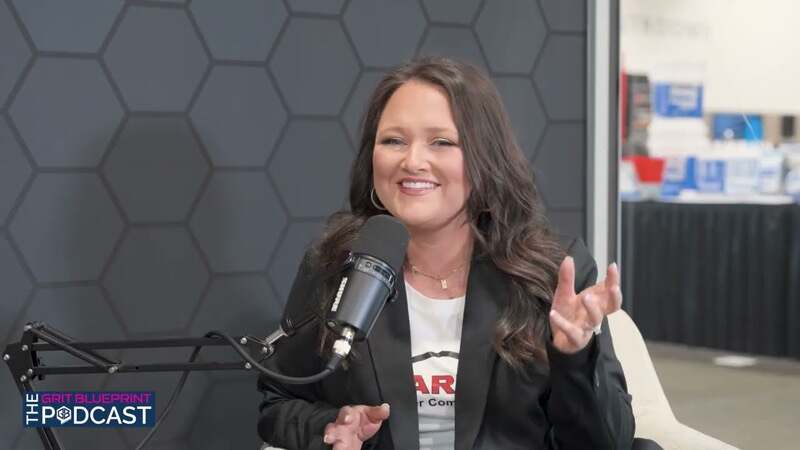
Brixey is general manager of Calaveras Lumber in Angels Camp and Sonora Lumber in Sonora. The two stores are nothing alike. Calaveras is the one-stop shop in town: lumber and hardware, a big seasonal department, women’s and baby clothing, a nursery and a fishing department with live bait. Sonora is built around contractors and builders. She hires, fires and runs both crews.
Her grandfather bought the first store in 1976 with his retirement, paid out in one lump sum. It was 700 square feet with one employee, and his first two hires were women. “If you were good people, he wanted you by his side,” she says of him (9:24). The family bought Sonora Lumber in 2014 and sold both stores to Nations Best in June 2022. Brixey stayed on as general manager.
She came to lumber from nursing. She was a registered nurse and supervised a new cardiology outpatient center. Then her father started calling her in to help with payroll and other jobs.
How do you put employees in the right roles?
Ask, listen and match the person to the work they want, inside limits that keep the store profitable. Here is Brixey’s method in five steps.
A short note on what each person wants to build, a one-page plan for each new idea, and written limits you both agreed to.
Step 1: Talk to your people all the time
“I am constantly talking to my people,” Brixey says (24:50). It is not always pleasant. “Some days I hear a whole lot of stuff that I really don’t want to hear,” she adds (25:16). She treats that as the job: listen, sort the bad from the good, then decide the next step.
Her team had just taken the Gallup strengths assessment. Her top two strengths were Belief and Individualization. She says she has a knack for knowing where people thrive.
Step 2: Find out where each person wants to be
Brixey says the rule goes back to her grandfather and her father: “how you create success and a successful team is letting people thrive in areas that they want to be in” (24:08).
The opposite costs you twice. “You can’t fit them in a box they don’t want to be in. And if you do, number one, they’re not gonna last. Number two, they’re not gonna be very productive,” she says (24:50).
It still has to fit the business. She looks for the strengths that help the stores stay profitable and efficient, and gives people work that uses them.
Step 3: Make them pencil it out
Her example is the nursery. Say someone on the garden side is talented and wants to expand it. “Yes, I’m gonna make you pencil it out for me,” she says (25:40). Penciling it out means putting the idea on paper before anyone spends money. The page shows the idea’s costs, its space and what it should sell.
Then, she says, “we’re gonna look at you know how that looks” together. She is clear that she will not hold a good idea back.
Step 4: Put up the guardrails
Guardrails are the limits you agree on before the person runs: the budget, the space, the date you will look at the results together. Brixey does not list hers in the interview, so set your own and write them down.
She credits that mix for the size of the business. “The business was never ever supposed to be as big as it is,” she says (25:40). It grew because people with ideas had room to try them, inside limits.
Step 5: Let them run, and get a little better every day
Her father used to say that a business that is not growing is dying. Brixey’s version is daily. “Every day you walk in, you’re looking at it as how do I improve? How do I make it better?” she says (26:41).
It does not have to be a new barn. Her small daily questions: “How do I keep my lines shorter today? How do I get more add-on sales today?” Add-on sales are the extra items a customer buys with the main purchase, like screws with the deck boards.
When the day goes sideways, she keeps perspective from her nursing years. Her employees have heard her say “you’re not telling somebody that they’re dying” (16:17). The work is hard, she says, in a different way.
What do you do when a new person joins?
Start with the same questions. There is nothing she loves more, Brixey says, than developing new people: “learning what they want, what drives them, and pretty much giving them parameters to let that happen” (32:26). For a structured first two weeks at the counter, see How to Get a New Counter Hire Ready in Two Weeks.

Play to their strengths, and keep the standard
What comes easily to you may be the hardest thing for someone else. Two mistakes show up again and again: putting a strong employee in work that drains them, and treating a different pace or style as a flaw.
Brixey’s guardrails are the other half. Using people’s strengths does not mean dropping the standard. Look for repeated evidence of what someone does well, build roles that complement each other, and keep accountability clear. A guardrail written down before the person starts is that accountability. It lets you say yes to the nursery idea and still know when to check the numbers.
What to do next
- This week, ask everyone on one shift the same question: if one part of the store were yours to build, which would it be?
- When someone brings you an idea, ask for one page: what it costs, where it goes, what it should sell and who runs it.
- Before you say yes, write the guardrails down together: budget, space and the date you will review the results.
- Give the whole crew one small daily target, such as shorter lines at the register or one more add-on sale per ticket.
- If your team has never taken a strengths assessment, try one, then compare the results with who does what today.
Questions people ask
How do you find the right role for an employee?
Jodie Brixey, general manager of Calaveras Lumber and Sonora Lumber, talks to her people constantly and asks what they want to work on. Then she gives them work that uses those strengths and helps the stores stay profitable.
What does it mean to pencil out an idea?
It means putting the idea on paper before money is spent: what it costs, how much space it needs and what it should bring in. Brixey asks employees who want to grow a department to pencil it out for her first.
What are guardrails for employees?
Guardrails are the limits you agree on before someone runs with an idea, such as a budget, the space it can use and a date to review results. Brixey credits good ideas, guardrails and room to run for how big her stores grew.
What happens when you put someone in the wrong role?
Brixey says people kept in a box they do not want to be in will not last, and they will not be very productive while they stay.
Watch the full interviews
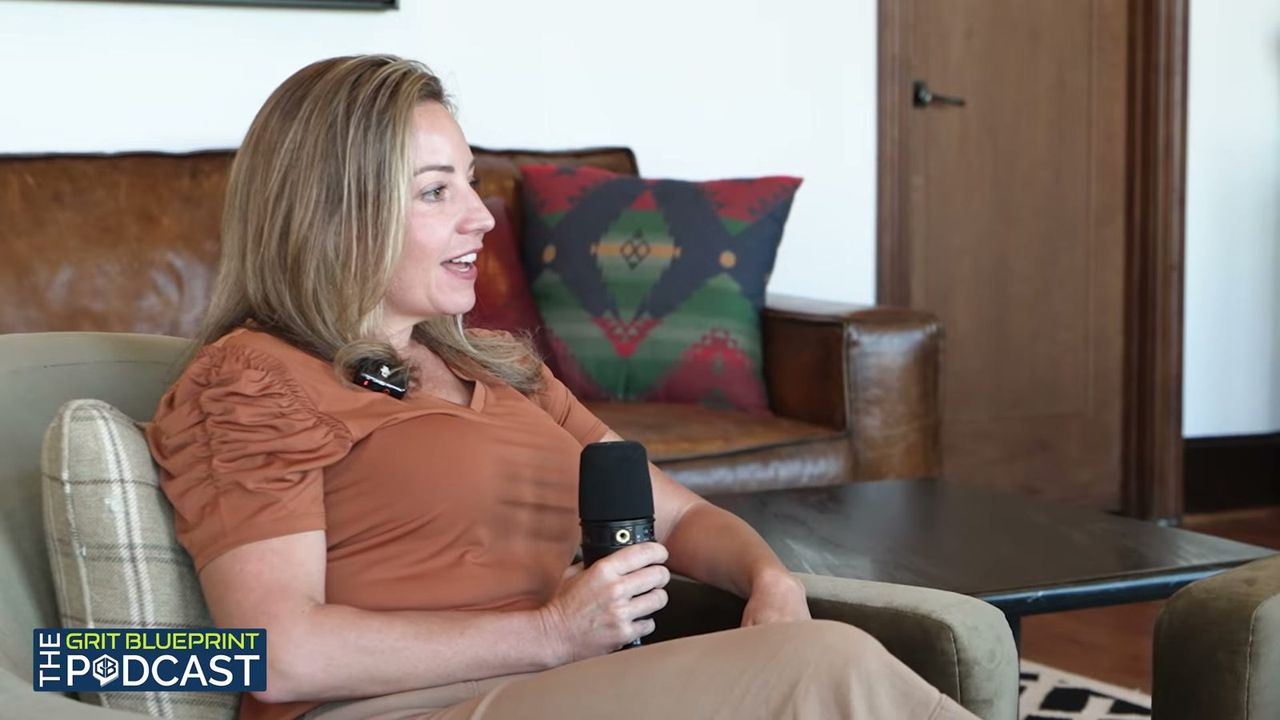
Jodie Brixey of Calaveras Lumber and Sonora Lumber. When a store changes hands, the people questions get harder; we cover that in How to Lead a Store Team Through an Acquisition.
Jodie Brixey runs two California lumberyards with different customers: Calaveras Lumber, a one-stop shop that sells lumber, baby clothes and live bait, and contractor-oriented Sonora Lumber. She explains how she places people where they thrive, puts up guardrails and lets them run.
A Grit Guide original. This piece is built from our own interview.