The Four Cs a One-Person Marketing Department Runs On
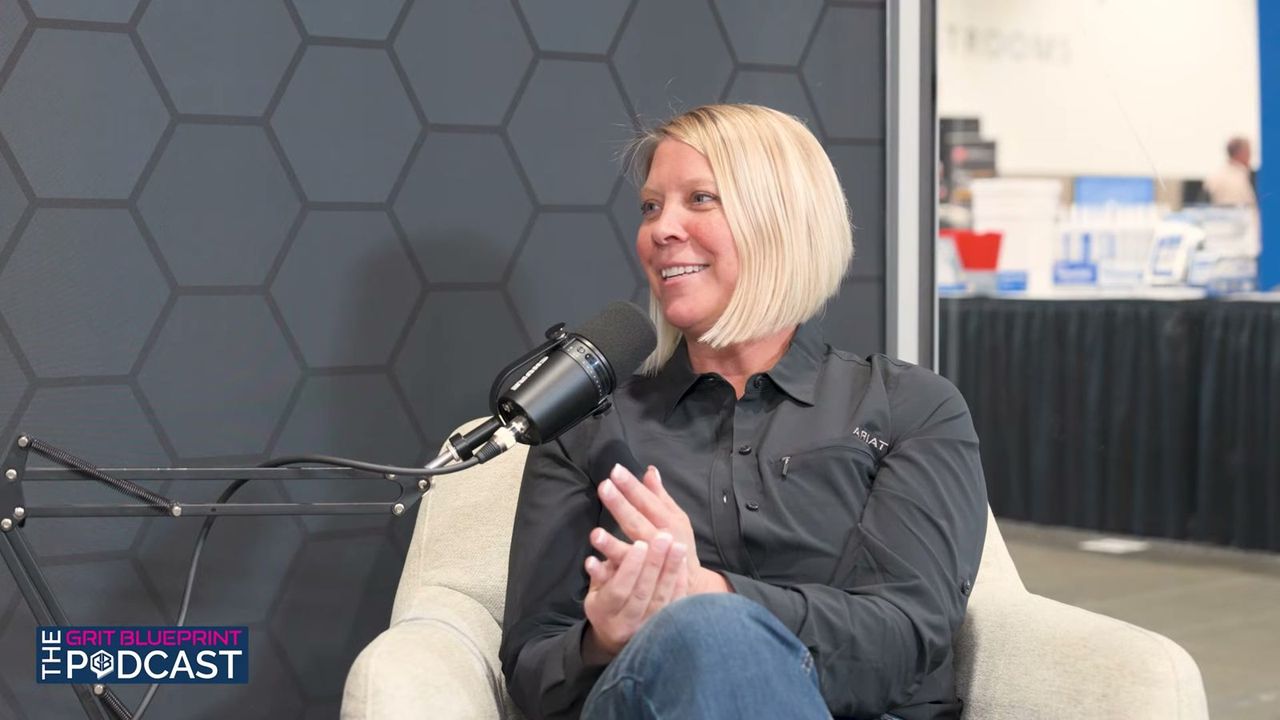
Ashley Guest handles marketing alone at Harbin Lumber Company in Georgia. She sorts the work into four buckets: community, culture, customers and consistency. She never lets one stay empty.
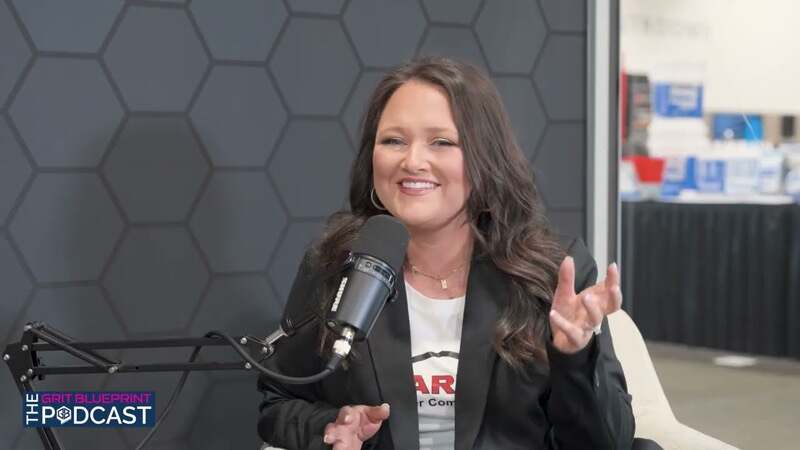
The four Cs of marketing at Harbin Lumber Company are community, culture, customers and consistency. Ashley Guest is the marketing manager and the company’s whole marketing department. She sorts every project into those four buckets. Her rule is to never leave a bucket empty, even in a season when one of them gets more of her time.
Ashley Guest took the marketing job at Harbin Lumber Company. No plan was waiting for her. The company told her it had tried things but had no set structure. “So they gave me this beautiful blank canvas and a paintbrush and said, go at it” (4:50 in our interview).
She had spent four years in business-to-business insurance. Harbin is a fourth-generation family company in Georgia. It has been in business for over 100 years.
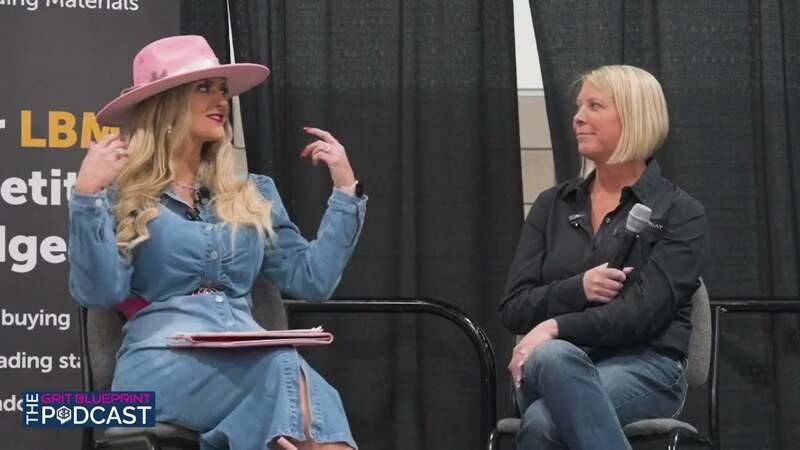
When Guest sat on a marketing panel at a Do it Best market in Denver, she was introduced as the marketing manager of a company with four lumber yards, a truss plant, a door shop and about 300 employees. A truss plant builds roof and floor framing ahead of time, so it arrives at the jobsite ready to set.
She is the whole department. If marketing at your company is one person, or the owner after closing time, her system is worth copying.
What are the four Cs of marketing?
Four places a small marketing team has to show up, every season. Guest calls her system the four Cs. She explains it at 12:59:
Four C’s are our community, our culture, our customers, and then overall consistency. I came up with this because being one person, I don’t want to fall short in one area.
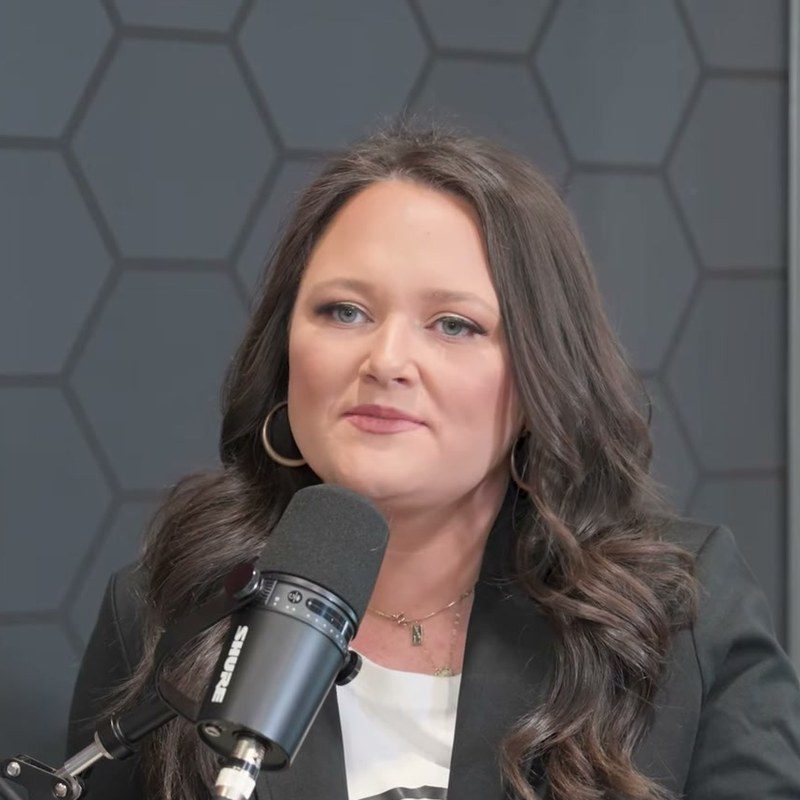 Ashley GuestMarketing Manager, Harbin Lumber CompanyFrom our interview
She treats each C as a bucket. In some seasons one bucket gets more than the others, and she is fine with that. Her rule, as she put it on the panel: “don’t leave a bucket empty” (25:27 in the panel recording).
Before she filled any of them, she studied the company. Harbin has a book of its own history. “I read that thing front to back and used it as my guide” (19:27).
Community
Guest goes where local builders already are. The local home builders association is the trade group for builders in an area. At its golf tournaments, she sets up a tent and hands out branded gear. She also runs a best shot and worst shot contest. On social media she posts about what the company’s foundation is doing.
This bucket also holds the idea that took the longest. For over a year she asked for a breast cancer awareness shirt. Harbin rarely changes its logo colors, and the answer was not yet. Then several employees had family members affected within the same year.
In October every location wore the shirt on the same day. Employees dedicated their shirts to people they knew. Guest made a reel about it, which is a short video on Facebook or Instagram. She says it took off.
Culture
Culture is the inside bucket: the people who work there. Harbin’s locations are spread out, so employees rarely see each other. A company newsletter goes out at the start of every month. Its “We Are Family” section carries baby announcements, weddings, engagements and family trips. An employee with a new baby gets a bundle box. It holds a onesie and a gift card for diapers.
Then there is the apparel store. Harbin runs an online store with a local vendor, stocked with hats, polos, button-downs, baby shirts and dog bandanas. It does not issue a uniform. Each employee gets a $100 credit twice a year, once for spring and summer and once for fall and winter. Then each one picks what to wear.
The choice is the point. “I want everyone to feel confident and to want to wear it, not because you have to, but because you choose to wear it” (11:17 in the panel recording). Harbin makes no money on the store. It pays the vendor’s price, and an employee who goes over the credit pays the difference.
The logo travels. A manager’s wife, an elementary school principal, stopped a student in the hall who was wearing a Harbin hoodie. His brother worked at the same location as her husband. Guest has spotted the logo on a stranger at the grocery store. She has also seen it on hats at little league games.
Customers
Salespeople call Guest with requests, and she fits the answer to the customer. One wants drone photos of a job. Another wants lunch taken to a customer. “Marketing’s not a one size fits all. It’s literally based and built on relationships and what our brand is” (14:03).
New customers get a welcome box with Harbin gear. Harbin also invites customers to tour its truss operation and main office and eat lunch with the team, then sends them to a local hunting preserve. And on National Watermelon Day, a contractor who walks into a branch finds Guest at the front cutting slices.
Consistency
The fourth C sits over the other three. Harbin posts on Facebook and Instagram only. Guest aims for three to four posts a week: at least one reel, an employee appreciation post and a community post. Asked for the one tool she could not do the job without, she named Canva, a design app.
She has also learned to hand work off. She used to build every balloon arch for company events herself, which is how she got the nickname the balloon lady. For big events she now hires that out.
What if the answer to an idea is no?
Treat it as a question of timing, and bring the idea back. Not every idea gets a yes. Guest does not read a no as the end of an idea. “I have learned the grace of it’s okay to be told no. Maybe it’s just not the right project, or maybe it’s just the timing is the issue and it’s not the project” (9:51).
If she still believes in the idea, she brings it back. The shirt is her proof.

A one-person department needs a system
The four Cs work because they turn marketing from something done when there is time into a system. That system has a reason behind every post. The common trap in small dealer marketing is treating content as a separate job. It gets posted when someone gets to it, on whatever channel is newest. Guest starts from the people she wants to reach. She ties the customer bucket to what her salespeople ask for.
Two more things in her story are worth copying. She read the company before she wrote about it, so the work she shows is real. And she hands off the balloon arches. A department of one cannot fix it with longer hours. Keep the work only you can do, the relationships and the judgment. Get help with the rest: a vendor, a template, a design tool or the co-op’s marketing team.
What to do next
- Draw four columns: community, culture, customers, consistency. Write what you did in each one in the last 90 days. An empty column is your next project.
- Learn the company before you plan a post. Read its history, or ask the longest-serving employee to tell it.
- Pick two platforms and a weekly rhythm you can keep. Guest’s is one reel, one employee post and one community post.
- Give employees a choice of gear and a set credit. Let them pick what they will really wear.
- Keep a list of the ideas that got a no. Bring the best one back when the timing changes.
For the video side, read Seven Rules for a Hardware Store’s First Videos. For another way a small dealer gets known, see How Wood Shed Lumber Uses Live Radio to Become a Household Name.
Both interviews were recorded for episodes sponsored by Do it Best Group.
Questions people ask
What are the four Cs of marketing?
In Ashley Guest’s system at Harbin Lumber Company they are community, culture, customers and consistency. Each is a bucket of work. One bucket can get more attention in a season, but none is left empty.
How often should a lumberyard post on social media?
Guest aims for three to four posts a week on Facebook and Instagram only: at least one reel, one employee appreciation post and one community post. Pick a rhythm your team can keep before you add platforms.
How can one person run marketing for a lumber company?
Use a simple structure so nothing important is forgotten, learn the company’s history before you plan, and hand off work that does not need you, such as event decorations. Guest also leans on a design app and on what salespeople ask for.
How should a dealer handle employee apparel?
Harbin gives each employee a $100 credit twice a year at an online store run with a local vendor and lets them pick what to wear. Guest wants people to wear the logo because they choose to, and Harbin makes no money on the store.
What customer marketing works for a lumber dealer?
Guest fits the answer to the customer and the salesperson’s request: drone photos of a job, lunch for a crew, a welcome box of gear, or a tour of the truss plant and main office followed by lunch with the team.
Watch the full interviews
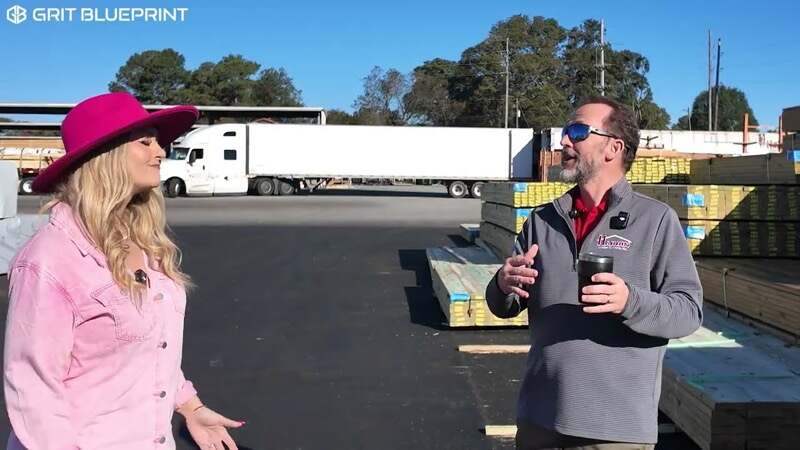
The Four C’s Of Marketing for Building Materials Companies. The panel is here: Simple Marketing Strategies You Can Implement That Drive Revenue For Independent Businesses. To see the yard itself, watch Behind the Build: Harbin Lumber.
Ashley Guest, marketing manager at Harbin Lumber Company, explains the four Cs she uses to run marketing alone. They are community, culture, customers and consistency. She shows what each one looks like inside a fourth-generation Georgia lumber business.
A Grit Guide original. This piece is built from our own interview.
Episodes in this piece
Sources
- The Four C's Of Marketing for Building Materials Companies (interview with Ashley Guest, Marketing Manager, Harbin Lumber Company; quotes at 4:50, 9:51, 12:59, 14:03 and 19:27) Grit Guide, Grit Blueprint Podcast
- Simple Marketing Strategies You Can Implement That Drive Revenue For Independent Businesses (market panel with Sharona Eiserer, Ashley Guest and Kerry Hasselbach; quotes at 11:17 and 25:27) Grit Guide, Grit Blueprint Podcast