How to Lead a Store Team Through an Acquisition
When a family store is sold, the people on the floor want to know what changes. A Nations Best regional leader and Do it Best’s president emeritus explain what good buyers keep, fix and ask. So does a store owner who lived through a buyout.
Client: Do it Best is a Grit Blueprint client.

To lead a store team through an acquisition, keep what people count on. Give store managers one safe place to call. Ask early and often what is broken.
That pattern runs through three of our interviews. Kim Peffley is a regional vice president at Nations Best, which buys family hardware and lumber businesses. Bob Taylor is president emeritus and former CEO of Do it Best, the co-op. He spoke as it absorbed True Value. Megan Menzer owns a True Value store that went through that change.
An acquisition is when one company buys another. For a store, it usually means a new owner above the people who run it every day. The people on the floor want to know what changes for them.
What should stay the same when you lead a store team through an acquisition?
As much as possible, says Peffley. She describes Nations Best as very big about “keeping the same staff and keeping the same leadership team there as much as we possibly can and keeping the same name” (12:52). “So the main goal is to have no disruption to the community,” she says (13:24).
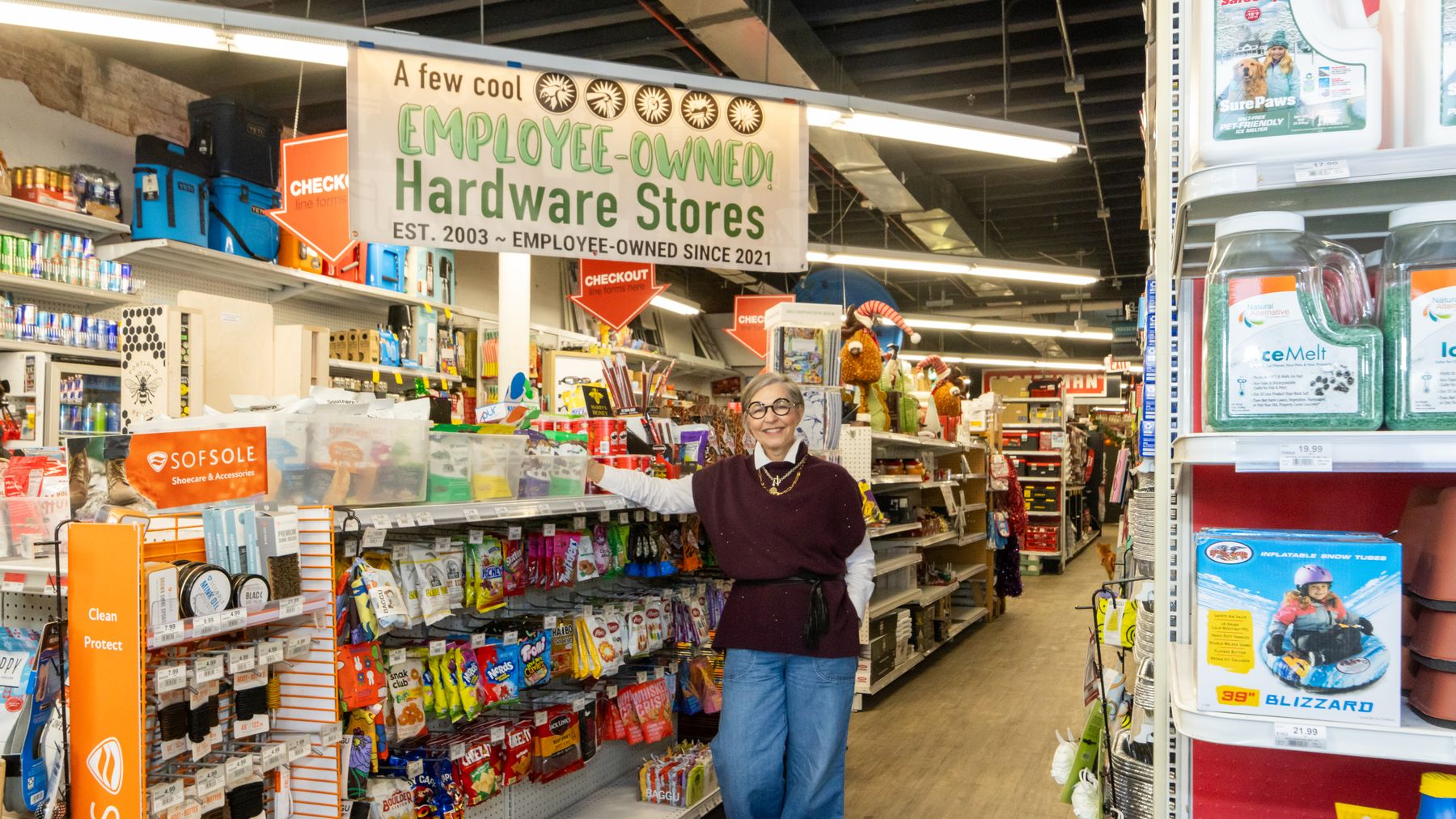
She has seen a sale from the inside. Her parents built Granger True Value in Granger, Indiana. She started there at 15 as a part-time cashier on nights and weekends. When her parents sold, the buyer was a fourth-generation family with seven Ace stores. She stayed and became general manager over all seven. She says the bigger company grew her network almost overnight.
Jodie Brixey lived it from the store side. Her family sold Calaveras Lumber and Sonora Lumber in California to Nations Best in June 2022. She stayed on as general manager, right as the stores came out of COVID. “My team just locked arms with me and said, We got this,” she says (21:30). We wrote about how she leads those crews in Put People Where They Want to Grow, Then Set Guardrails.
Who should store managers call when something goes wrong?
Someone whose job is to help. When we talked, Peffley oversaw 14 locations from upper Michigan through Indiana, Illinois and Kentucky. Her group calls itself the support team, and she treats her store managers as “basically the CEOs of their own stores” (16:34). Her job is to clear roadblocks so they can run them.
I will be your safest place to call when anything goes wrong.
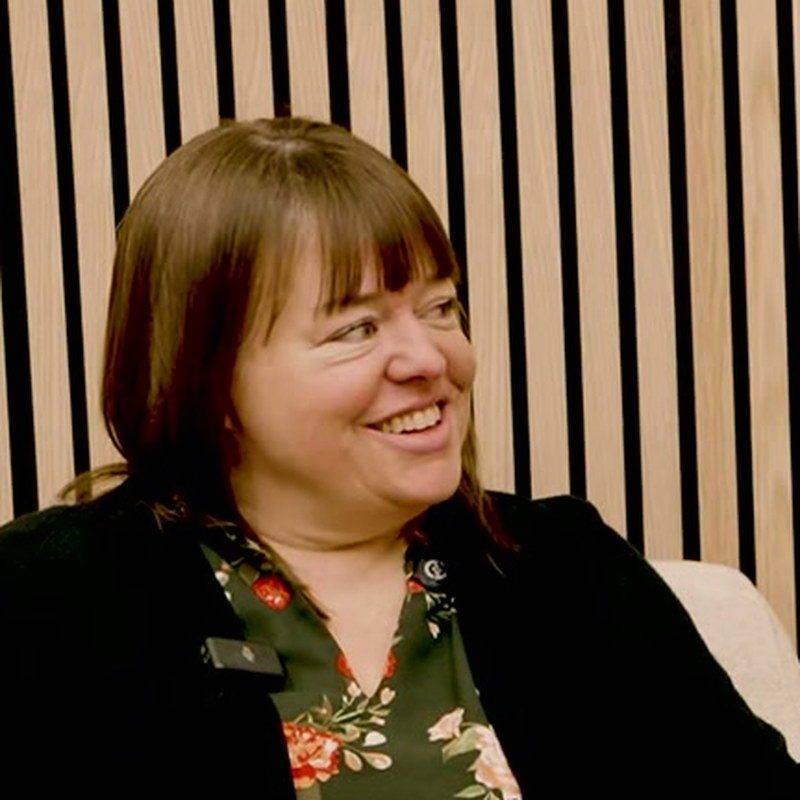 Kim PeffleyRegional vice president, Nations Best (16:34)
When a problem is too big for one store, the company, Do it Best and the vendors help. “We don’t have to do this alone. We have power in numbers,” Peffley says (17:11).
How does a new owner find out what is broken?
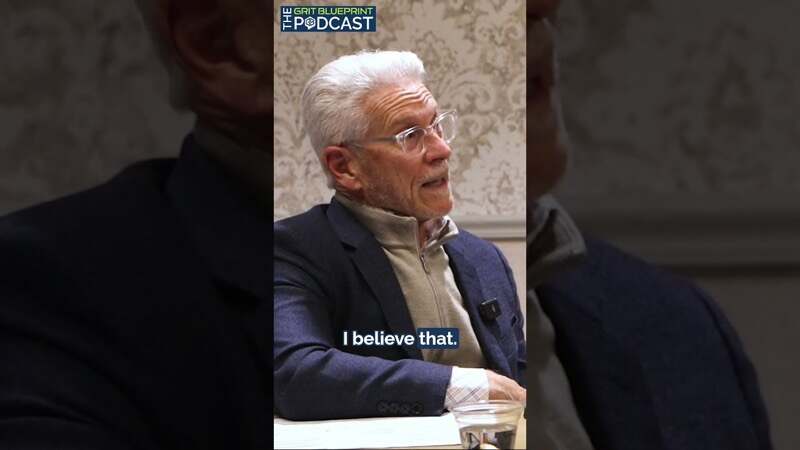
Ask the people who run the stores, and keep asking. Megan Menzer is the fourth-generation owner of Newton’s True Value in Cherryvale, Kansas. During the True Value buyout she flew to Delaware and testified in court on behalf of the hardware industry. She calls that time very intense.
After the deal closed, she says, Do it Best reached out to her, and it still does. Every so often she gets a text or an email asking what she is hearing in the industry. “What are our weaknesses? What do we need to be fixing, what are we doing wrong?” is how she sums up the questions (19:41). She found it refreshing. In her words, the message was “we know we can do better, and where is it that we need to do better?”
Peffley does the same with people inside the company. Someone looking at a new role asked her a long list of questions. She took it as a gap in the company’s own system: “we should be more clear and we should give more direction on what the next steps are” (19:17).
Why does the buyer’s bench matter?
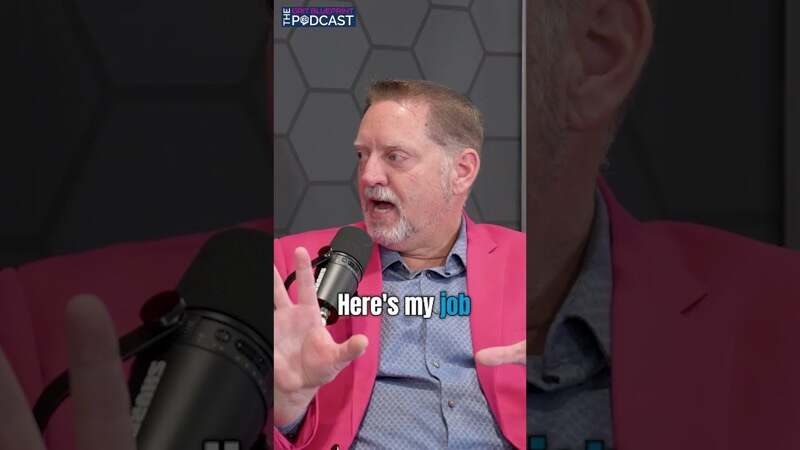
Because a combination is work, and somebody has to do it. Taylor grew up in his family’s hardware business in Virginia Beach and now chairs its 21-store chain. He also spent 15 years as Do it Best’s CEO. Looking at the True Value combination, he credits the co-op’s people first. “You’re dependent so much on the team to execute that,” he says (7:12). A deep bench, he says, let Do it Best “manage through a very difficult combination.”
He spoke at the co-op’s October market, seven or eight months in. By then, he said, Do it Best had “restored confidence in the vendor community” (8:04). His family has been on both sides. His father joined True Value in 1965, and the family business moved to Do it Best in 1990.

Tell people what stays, what changes and why
The way that built a business may need to change as it grows. Respect what worked, and stay curious about what could work better. The usual mistake in an acquisition is the same as in any big change. Employees hear about it after the decision, with little explanation or help.
So name what stays. Name what changes, and why. Involve the people who understand the work, the store managers and the counter staff, before you decide. Give them training and a place to send feedback. Then decide what to keep, adjust or stop. Peffley’s safest-place-to-call promise and Do it Best’s what-are-we-doing-wrong texts are two ways of hearing from those people early.
What to do next
- Buyers: before closing day, write down what stays the same, from the store name to the managers. Read it to the team on day one.
- Give every store manager one person to call when something goes wrong. Make sure that call never gets them in trouble.
- In the first months, ask managers and staff what is broken and what they would fix first. Then tell them what you will do about it.
- Keep a list of every question new people ask. Each one points to a gap in how you explain the job.
- Managers who stay on after a sale: gather the crew. Tell them what you know and what you do not know yet. Ask them to lock arms with you.
The interviews with Bob Taylor and Megan Menzer were recorded for episodes sponsored by Do it Best Group.
Questions people ask
What happens to employees when a hardware store is sold?
It depends on the buyer. Kim Peffley says Nations Best tries to keep the same staff, leadership team and store name so the community sees no disruption, and Jodie Brixey stayed on as general manager after her family sold to Nations Best.
How do you keep store managers engaged after an acquisition?
Peffley treats managers as the CEOs of their own stores and promises to be their safest place to call when something goes wrong. Her job is clearing roadblocks so they can run the store.
How should a new owner find out what needs fixing?
Ask the people closest to the customer, and keep asking. Megan Menzer says Do it Best still texts and emails owners asking what the co-op is doing wrong and what it needs to fix.
What should a buyer tell the store team on day one?
Grit Guide’s view is to name what stays the same, name what changes and why, and say how people can raise problems. Peffley’s approach starts with keeping the people, the leaders and the name.

Watch the full interviews
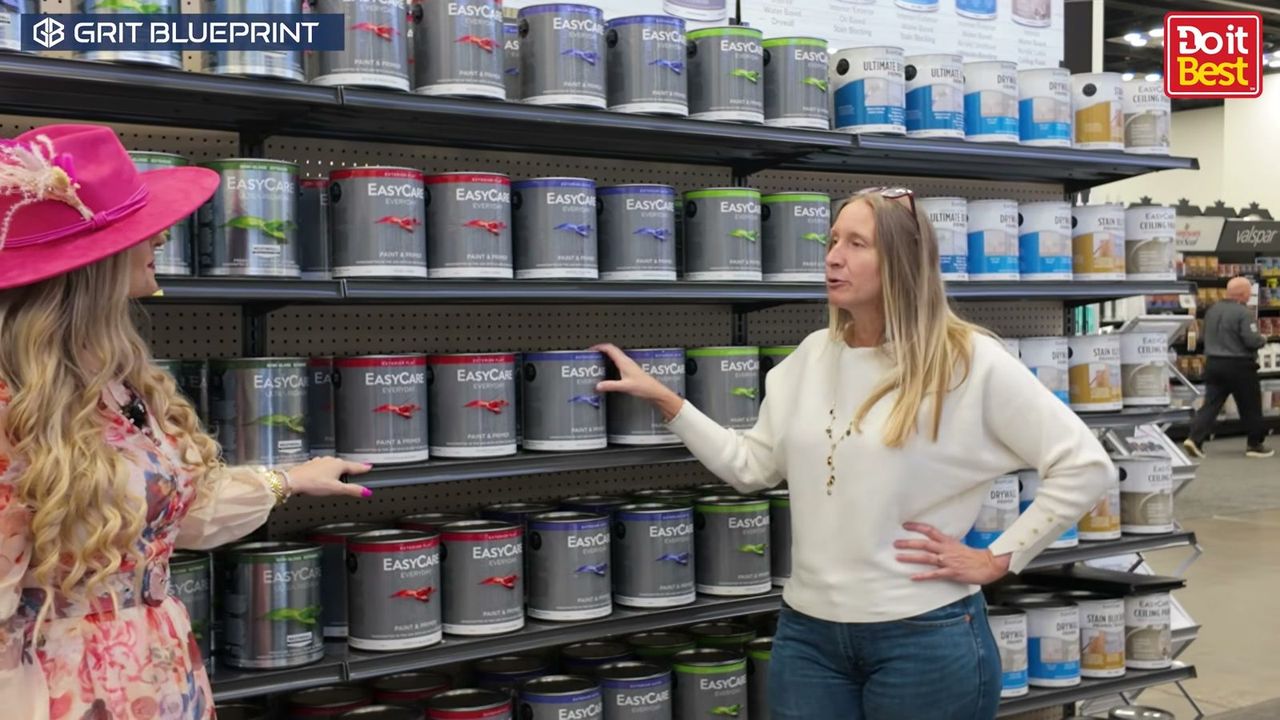
Kim Peffley of Nations Best, Bob Taylor of Do it Best, Megan Menzer of Newton’s True Value and Jodie Brixey of Calaveras Lumber and Sonora Lumber.
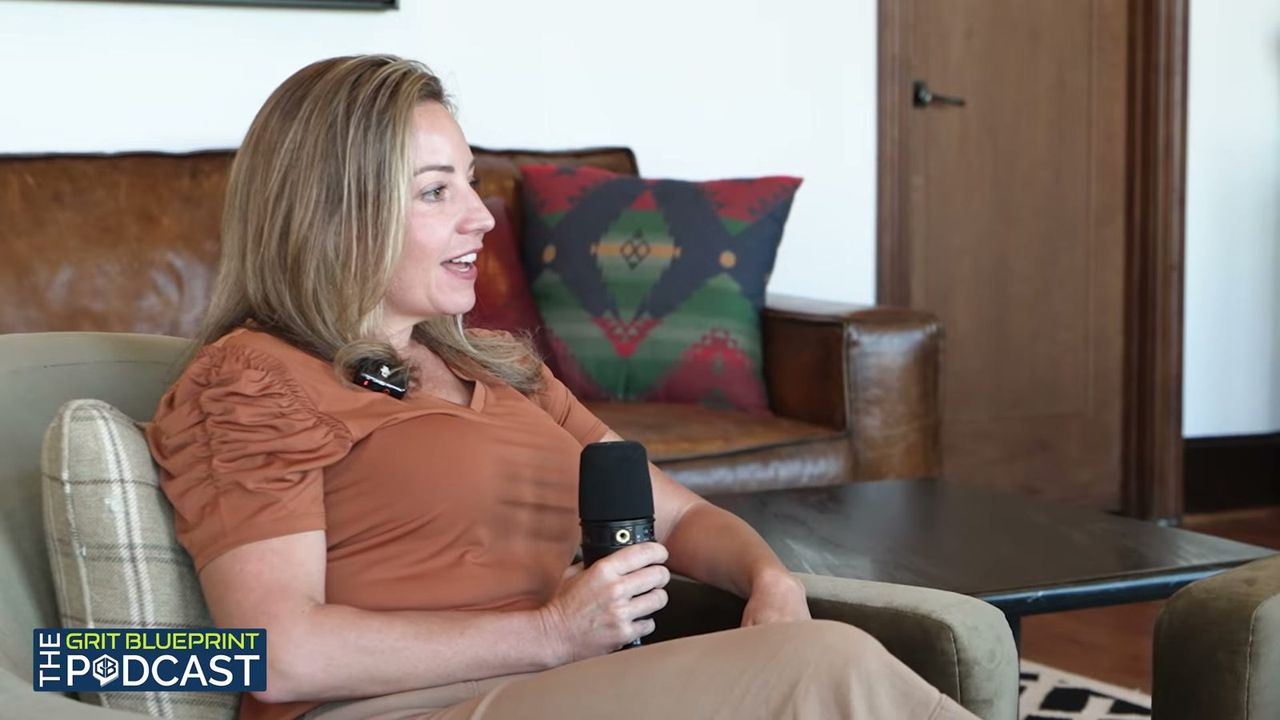
Kim Peffley started at 15 as a cashier in her family's True Value store and is now a Regional Vice President at Nation's Best. She explains how the company takes on stores from owners stepping out and keeps the name, staff and legacy in place.
A Grit Guide original. This piece is built from our own interview.
Episodes in this piece
- Two Stores, Two Strategies, One Winning Culture: Jodie Brixey, Calaveras & Sonora Lumber
With Jodie Brixey
- Raise The Bar, Earn Trust, Build Legacy | Bob Taylor, President Emeritus at Do it Best Corp
With Bob Taylor
- Mentorship, Technology, and Transitions: Newton's True Value | Sponsored by Do it Best
With Megan Menzer
Sources
- Beyond Brick and Mortar: Preserving Business Legacies in Construction with Kim Peffley (June 2025) Grit Guide
- Raise The Bar, Earn Trust, Build Legacy | Bob Taylor, President Emeritus at Do it Best Corp Grit Guide
- Mentorship, Technology, and Transitions: Newton’s True Value | Sponsored by Do it Best Grit Guide
- Two Stores, Two Strategies, One Winning Culture: Jodie Brixey, Calaveras & Sonora Lumber Grit Guide