The Five-Day Call That Gets a Lumberyard Paid First
Russ Kathrein has salespeople call a customer five days after a bill is due and ask one question. He says the habit took his yards from 65% of accounts current to about 95%.
Client: Do it Best is a Grit Blueprint client.
For educational purposes only: general information, not legal, tax, financial or safety advice. Check your local codes and talk to a qualified professional before you act. Disclaimer
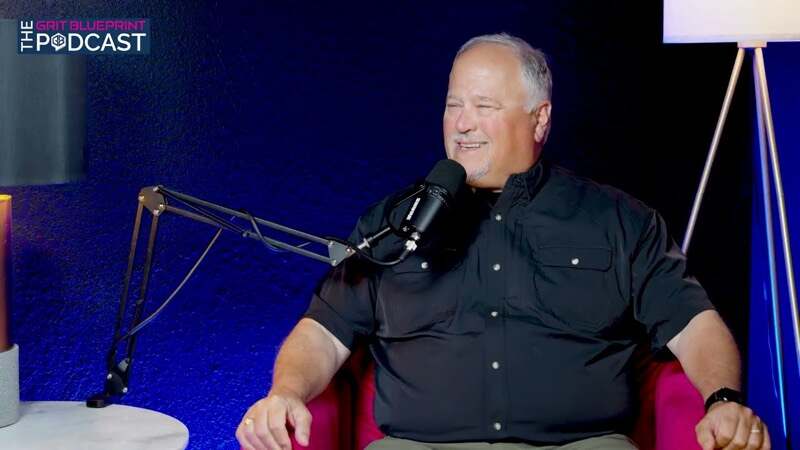
Five days after a bill is due, have the salesperson on the account call the customer. The salesperson asks whether the yard did something wrong. That is the whole collections call. Russ Kathrein is vice president of lumber and building materials at Do it Best Group. He says the same friendly call, made every billing cycle, took his yards from about 65% of accounts current to about 95%.
Kathrein says every yard manager probably has an aging report sitting on the corner of the desk. That is the list of unpaid invoices sorted by how late they are. The groups run current, 1 to 30 days, 31 to 60 and so on. When managers do look at it, they call a few accounts more than 120 days late and get nowhere. His instruction is to “stop looking at the old stuff and start looking at the stuff that just went past you” (31:11).
Why does a late bill matter if the sale is already on the books?
Because a sale is not cash until the customer pays. Money customers owe you for material they already have is called accounts receivable, or AR. AR counts as sales on the profit and loss statement, the P&L. That statement reports sales minus costs for a period. The cash arrives only when the customer pays.
Kathrein calls the P&L a report card. What he watches closely is cash flow. That is the money actually coming into and going out of the business. A yard can sell plenty and still run out of money, he says. That happens when its receivables are too high or too much is invested in inventory.
How does the five-day collections call work?
A monthly routine: correct terms on every account, one friendly call at five days past due, and a percent current number you track.
Step 1: Give every customer terms that fit
Terms are the number of days a customer has to pay. Before anyone picks up the phone, Kathrein goes through the customer list. He checks that each account has terms that fit that customer’s business.
In the state where he operated, many government customers did not pay for 60 days. “Why put them on 30-day terms if they’re not going to pay for 60 days?” he asks (31:11). Give them 60. If a customer asks for longer terms, he adds, the price should cover the wait.
Step 2: Make the collections call five days after the bill was due
Five days after payment was due, run the aging and see who has not paid. Then have the salesperson on the account make the call. Kathrein’s opening line:
“I noticed that you didn’t pay your bill this month, and it’s my experience that when a customer doesn’t pay their bills, it’s usually I’ve done something wrong” (32:17).
Nobody asks for money on this call. Accounts that are far past due, and payment plans, stay with the credit manager.
Why the salesperson? Some companies do not pay commission until the invoice is paid, and some take it back. Kathrein says that puts it in the salesperson’s interest to train a customer to pay the bill.
Step 3: Listen for one of three answers
Kathrein says the customer will give one of three answers.
- The yard did do something wrong. Maybe a door was never picked up and the customer is holding the payment until it is. Now the yard knows and can fix it before the problem festers.
- The customer is tight on money. The yard hears that at five days past due, long before the account reaches 120. Kathrein watches that account and limits what he sells to it.
- The customer has not gotten around to it. This is the most common answer, he says, and the customer this routine is built for.
To the third customer the salesperson says, “Just wanted to call, make sure it was nothing I did.” Then: “Hey, while I got you on the phone, do you want to order anything else?” (33:29). It ends as a sales call.
Step 4: Make the same call next month
Next billing period, five days past due, the same customer gets the same friendly call. Kathrein says it usually takes about three. By the third, the customer knows what the salesperson is going to say before he says it.
These customers were always going to pay somebody, Kathrein says. They had money for some of their bills and chose which supplier waited 60, 90 or 120 days. After a few kind calls, “a big chunk of those people who wouldn’t have paid their bill paid you first” (36:12).
“You know why they paid you late? Because they can,” he says (39:06). The call makes paying late a little uncomfortable, once a month, and nobody raises a voice.
Step 5: Track percent current
DSO stands for days sales outstanding. It compares what customers owe with what the yard sells, so it shows roughly how many days of sales are still unpaid. When it climbs, customers are taking longer to pay. Kathrein finds it useful for the trend. Its weak spot, he says, is that it ignores customers who have 60-day terms.
He prefers percent current: the share of accounts that are paid up inside their terms. He says his yards were about 65% current before this routine and generally 95% after. “I’ve done this multiple times, it’s worked,” he says (30:38).
He learned the kindness part from a woman who handled credit for him in Fredericksburg, Texas. He remembers her as Becky. On the day bills were due, he says, customers would step around him to hand her their payments. Her percent current was 108%, because some of them paid ahead.
Why do builders pay their lumberyard late?
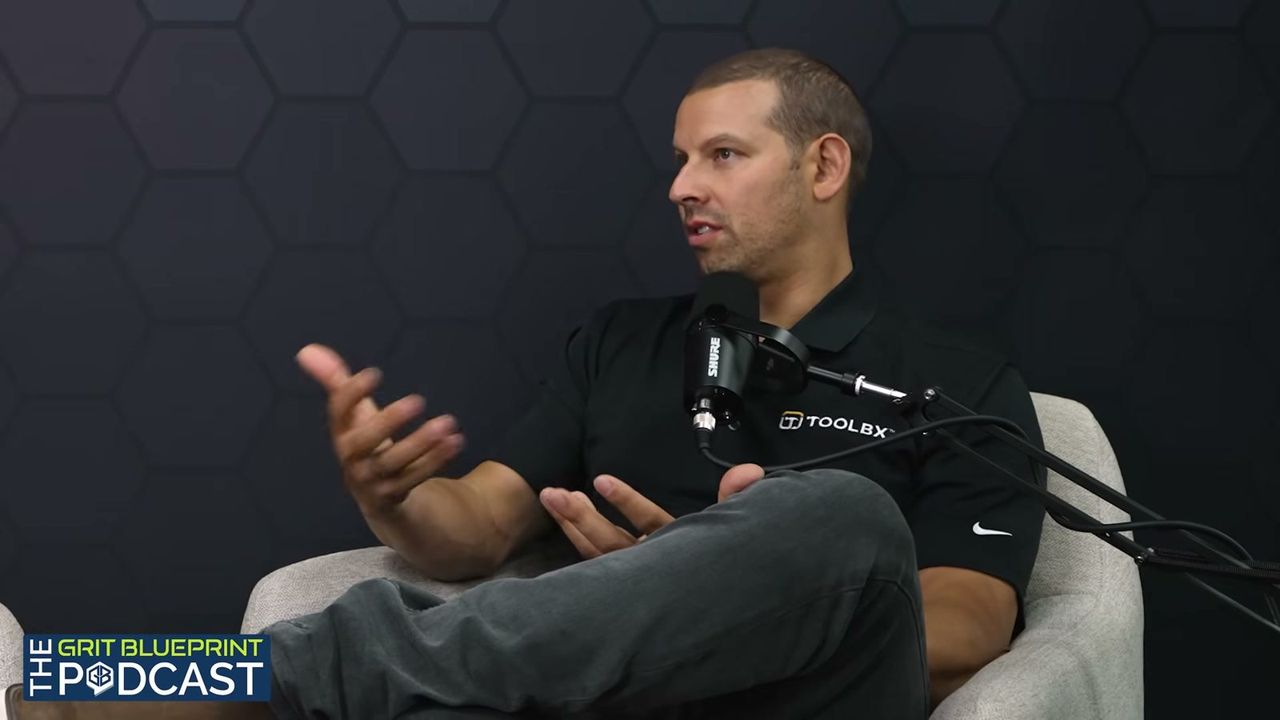
Often because the invoice reached them after they had already billed their own client. Erik Bornstein has been the builder on the other end of that phone call. He is the CEO of TOOLBX, which makes online account and payment portals for lumberyards. Before that he built custom homes in Toronto.
His company worked cost plus, which means it billed the homeowner for the cost of the job plus a percentage. Every month it sent each client a billing package. A supplier invoice that showed up at the end of the month, or late, missed the package.
That, he says, is why a lot of receivables stretch past 30 days, “not necessarily because the builder doesn’t want to pay” (5:25). The builder has not been able to bill the client for that material yet. “The faster the pro can get invoices from their supplier or their trade, the faster they can get paid,” Bornstein says (4:55).
He also remembers the week five or six of his jobs took lumber at once. That week the account hit its credit limit. The yard wanted a check before it sent the next load. He was in a customer meeting, with trades waiting on site. On his own platform today, he says, 26% of payments are made after hours (9:52).
Both can be true of the same customer. Get the invoice out on time, make it possible to pay after you close, and make the call.

Make the collections call a sales call
The customer experiences the whole company. That includes the statement and the call about it. Wait until 120 days and a small problem, like a door nobody picked up, has grown bigger than the relationship. Winning that argument can cost more than solving the problem.
Kathrein’s call starts on the yard’s side of the counter: maybe we did something wrong. On the episode, Stefanie Couch, host of the Grit Blueprint Podcast, called it one more customer experience touch: “It’s another sales call” (38:46). A builder busy enough to forget the check may also have a quote he forgot to send you. Put the call on the salesperson’s calendar.
What to do next
- Go through your customer list and check each account’s terms against how that customer gets paid.
- Five days after your next due date, run the aging and list every account that has not paid.
- Have the salesperson on each account call with Kathrein’s question. Note which of the three answers comes back, and end by asking what the customer needs.
- Repeat for three billing cycles. Then compare your percent current with where it started.
- Ask two of your builders when your invoices reach them, and whether they can pay you after you close.
Next, read Why Russ Kathrein Bills a Special Order the Day It Lands and Customer Follow-Up Scripts You Can Copy.
The interview with Erik Bornstein was recorded for an episode sponsored by Do it Best Group.
Questions people ask
When should a lumberyard call a customer about a late bill?
Five days after the bill was due, not at 120 days. Russ Kathrein of Do it Best runs the aging report five days past the due date and has every unpaid account called then, while any problem behind the late payment is still small.
Who should make the collections call, sales or the credit manager?
Kathrein has the salesperson on the account make the early call, and keeps far past-due accounts and payment plans with the credit manager. At some companies commission is not paid until the invoice is paid, so the salesperson has a reason to train the customer to pay.
What is percent current?
It is the share of accounts that are paid up inside their terms. Kathrein prefers it to DSO because DSO ignores customers who have longer terms, such as 60 days. He says his yards went from about 65% current to about 95% with this routine.
What is DSO in accounts receivable?
DSO stands for days sales outstanding. It compares what customers owe with what the yard sells, so it shows roughly how many days of sales are still unpaid. A rising DSO means customers are taking longer to pay.
Why do builders pay their suppliers late?
Kathrein says some pay late simply because nothing stops them. Erik Bornstein of TOOLBX adds another reason from his years building custom homes: a supplier invoice that arrives after the builder has billed the homeowner waits until the next billing package. Getting invoices out on time helps you get paid sooner.
Watch the full interviews
Simple Ways to Create Cashflow in Your Business with Russ Kathrein, and How TOOLBX Helps Dealers Get Paid Faster with Erik Bornstein. Time stamps are from the podcast audio.
Russ Kathrein, VP of LBM at Do it Best, shares operating habits he learned running lumberyards: bill special orders on receipt, cut truck turnaround, treat drivers as salespeople, and make a friendly call five days after a bill is due.
A Grit Guide original. This piece is built from our own interview.