Seven Rules for a Hardware Store’s First Videos
Brent Gentling built decks and remodeled kitchens before his how-to videos became his full-time job. Here is what he tells a local store to do first, with one rule from DIY creator NataLee Callahan.
A hardware store’s first videos should be short, clear and real. Brent Gentling is the builder behind the BYOT how-to channel. He gives local stores seven video marketing rules: just start and keep a schedule, get the sound right, show something in the first seconds, keep it to 30 to 40 seconds with no introduction, have fun, start on Facebook, and count shares instead of views.
Brent Gentling could not find a video that showed how to turn a yard of weeds and dirt into grass. So he made one. “And that was literally the first video that ever went to a million views on my channel because there was a need for it” (0:00 and 7:01 in our interview).
Gentling has worked in construction for 20 years. He was a laborer on a job site and went to school for construction management. Next he worked for general contractors and subcontractors. Then he started his own remodeling business in Seattle. He started his channel in 2016. It is called BYOT, short for bring your own tools. When the pandemic kept him out of customers’ houses, he put all his time into video. Video has been his full-time work since.
At a Do it Best market in Indianapolis, Grit Guide asked him a question. What should a local hardware store or lumberyard do with video? A store only needs the people in its own town to see its videos. These are his rules, in the order he would use them.
How should a local store start video marketing?
One 30 to 40 second video of something real in your store, posted where your customers are, and a simple way to tell whether it reached the right people.
- A phone
- A small clip-on microphone
- The store’s Facebook page, with your address and a link to your website filled in
- One product, repair or task you can show in under a minute
Step 1: Start, then keep a schedule
Gentling’s first advice to anyone is two words: “just start” (14:13). His next two are “stay consistent” (14:37).
A steady schedule shows viewers you are committed. It also opens doors you cannot plan for. Gentling once filmed a few products at a builders’ trade show on a whim. Those 30-second clips did better than his regular how-to videos. Trade show videos are now a second channel for him.
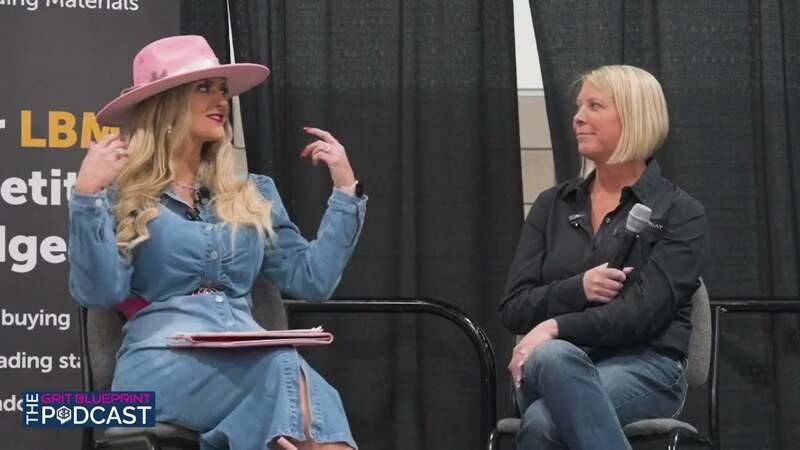
Expect it to take time. NataLee Callahan, the DIY creator behind Designed to the Nines, started posting in 2011. She says it was about two years before one of her videos went viral. She also says she did not go full time until 2018.
Step 2: Get the sound right first
Viewers will sit through a rough picture. Sound is different. “But if they don’t have good audio, then they check out real fast” (24:46).
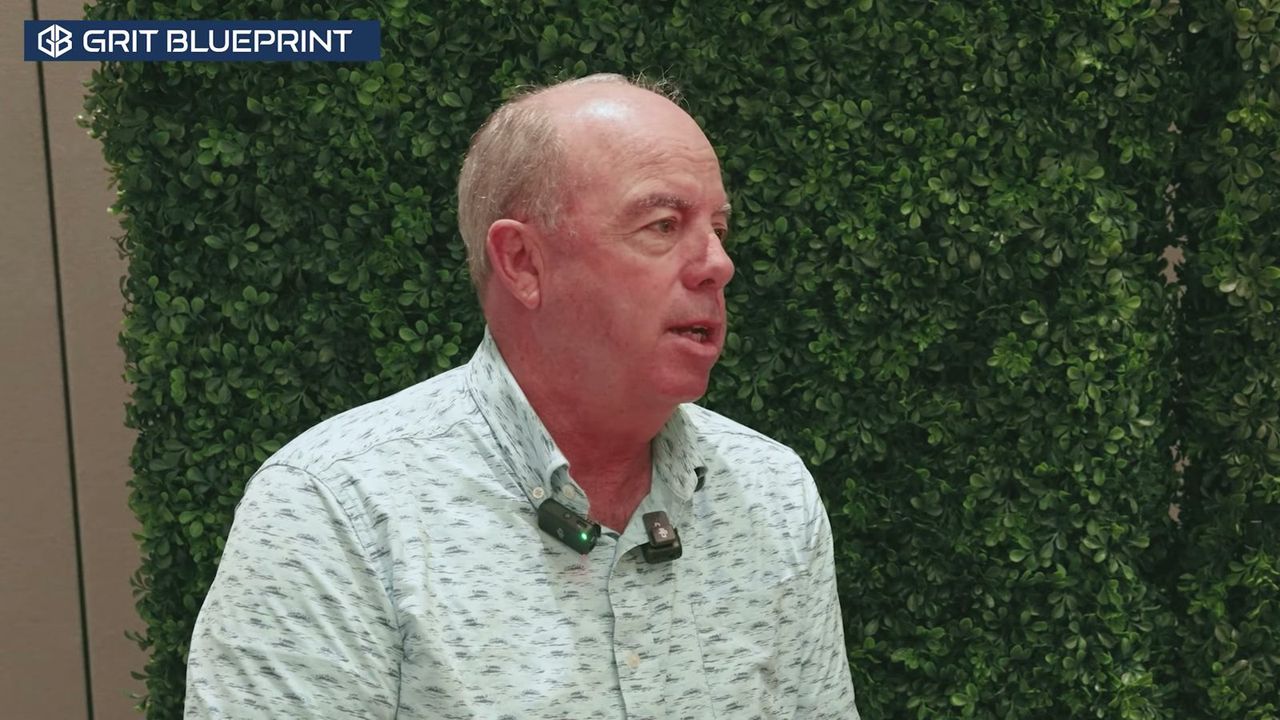
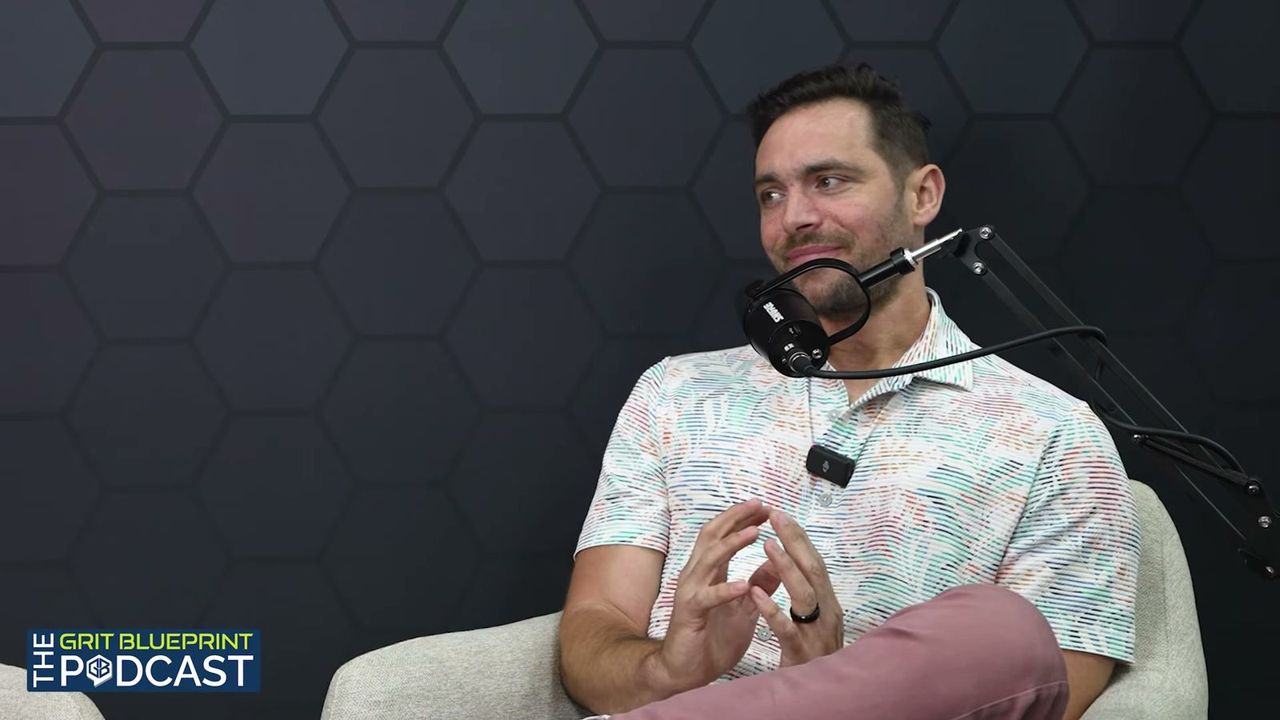
Gentling wore a small clip-on microphone for the interview. That is the kind of gear he means.
Step 3: Show something in the first seconds
Do not open on a person standing still. Gentling’s words: “don’t just be in front of the camera and not have something visually happening immediately” (24:51).
Open on the saw already cutting, the paint going on or the part in your hand. He edits his trade show clips so the most impressive moment comes first, “because if you catch them at the beginning, they’re way more likely to follow through to the end” (25:11).
Step 4: Keep it short and skip the introduction
For vertical video, which is filmed with the phone upright, Gentling aims for 30 to 40 seconds.
Cut the opening where someone gives their name and the store’s name. “You do not need to say your name, you do not need to shout out your business” (26:49). Put your address and a link to your website in your profile. He says the people who care about the video will find you there.
Step 5: Have fun, and leave the mistakes in
A business comes to social media to sell, and viewers know it. What works, Gentling says, is humor, because it shows the business has a personality. “Have fun with your products and have fun with social media because that’s what it’s there for” (17:42).
His example is a pancake house four hours from the market. Its owner’s videos are so good that he was thinking about renting a car to go. “I’ve never wanted to go to a pancake house more” (18:15).
Callahan adds the other half. She has left her errors in her videos for years, including a fireplace she framed crooked. She explains why at 7:54 in her interview: “When I mess up, when I’m crying or bleeding from a project, I leave it in, because it gives people permission to be human.”
Step 6: Start on Facebook
Asked to choose one platform for a local store, Gentling chose Facebook. He gave two reasons. People who go to hardware stores are more likely to be on Facebook. A Facebook page also lets you give more information about the business.
TikTok grew fastest for him. He says he had thousands of followers within a couple of weeks. He posts every day on Instagram, Facebook, TikTok and YouTube. A store can start with one.
Step 7: Count shares, not views
A view count does not tell you whether the right people saw the video. “Take a look at the shares” (29:42). When someone shares a product video, they have a person in mind who needs that product.
His example is a company that makes aluminum forms for pouring concrete. It had done almost nothing on social media. Gentling filmed its booth at a trade show. The video drew hundreds of thousands of views, which is modest for him. But it had “a ton of shares,” and he says the company’s phones were “ringing off the hook” (30:27).
So a small following is no reason to stay quiet. In his words, “that small audience could be a very dedicated audience, and that might be even more valuable to businesses than even massive audiences like myself” (28:53).
What if people leave mean comments?
Expect a few, and do not let them stop you. Gentling gets thousands of comments a day, and some are negative no matter what he posts. He has stopped minding. In his experience, an argument in the comments keeps people on a video longer. He finds the platforms then show that video to more people.
Callahan reads her comments too, and says people can be mean. Her answer is that it does not matter what they think. They probably had a bad day.

Film the questions you already answer at the counter
A store already has plenty worth filming. Think of the questions customers ask at the counter and the know-how behind the answers. Think of the repair somebody walks in with every Saturday and the job the crew is proud of. Most of it feels too ordinary to post. That is why customers have never seen it.
Start with the questions. Write down the ten your counter answers most often and make each one a 30-second video that answers it. That is ten weeks of posts with a reason behind every one. Each post is something a customer already wanted to know.
You do not need to turn the whole store into a film crew by Friday. You need one person, one phone, one question a week and the patience Gentling and Callahan describe.
Checklist: before you post
Go down this list before you post. Any box you can’t tick is the step to go back to.
0 of 5 ticked
What to do next
- This week, film one 30 to 40 second video of something already happening in the store.
- Post it on the store’s Facebook page with no introduction.
- Post again on the same day next week. Keep that up for a month before you judge anything.
- After a month, look at the shares on each video. Make more of the kind people sent to someone else.
- Read how one owner went on camera first so her crew would follow: How Wood Shed Lumber Uses Live Radio to Become a Household Name.
For a store that runs its marketing with one person, read The Four Cs a One-Person Marketing Department Runs On. To decide which products deserve the first videos, see Your Online Store Shows What to Put by the Front Door.
The interview with Brent Gentling was recorded for an episode sponsored by Do it Best Group.
Questions people ask
How long should a store’s social media video be?
For vertical video, filmed with the phone upright, Brent Gentling of BYOT aims for 30 to 40 seconds. Skip the introduction and open on something already happening, such as a saw cutting or paint going on.
What equipment does a store need to start making videos?
A phone and a small clip-on microphone. Gentling says viewers will sit through a rough picture but leave fast when the sound is bad, so the microphone matters more than a better camera.
Which social media platform should a local hardware store start on?
Gentling picks Facebook for a local store, because hardware store customers are more likely to be there and a page can hold the address, hours and website. He posts on four platforms himself, but a store can start with one.
How do you know whether a store video worked?
Look at the shares more than the views. When someone shares a product video, they usually have a person in mind who needs that product. A small, local audience that shares can be worth more to a store than a big one that only watches.
What should a store make videos about?
Start with what already happens in the store: a product in use, a common repair, or the answer to a question customers ask every week. Each of those is something a customer already wants to see.
Watch the full interviews
This Is The Video Strategy Local Businesses Need and From Hobby To Empire: How NataLee Callahan Created An Authentic Brand.
Brent Gentling of BYOT, a builder with 20 years in construction and millions of followers, gives local hardware stores and lumberyards his rules for video: start, stay consistent, get the audio right, and watch shares more than views.
A Grit Guide original. This piece is built from our own interview.
Episodes in this piece
Sources
- This Is The Video Strategy Local Businesses Need: Brent Gentling, Bring Your Own Tools BYOT (interview with Brent Gentling, content creator, Bring Your Own Tools (BYOT); quotes at 0:00, 14:13, 14:37, 17:42, 18:15, 24:46, 24:51, 25:11, 26:49, 28:53, 29:42 and 30:27) Grit Guide, Grit Blueprint Podcast
- From Hobby To Empire: How NataLee Callahan Created An Authentic Brand And Business Around DIY Design (interview with NataLee Callahan, DIY creator, Designed To The Nines; quote at 7:54) Grit Guide, Grit Blueprint Podcast