Why Randy’s Hardware Keeps a Marketing Budget It Can’t Fully Measure
Christian Herrick says a store that stops marketing dies slowly. So Randy’s Hardware sets a budget, hands it to someone to run and films its own stores for YouTube.

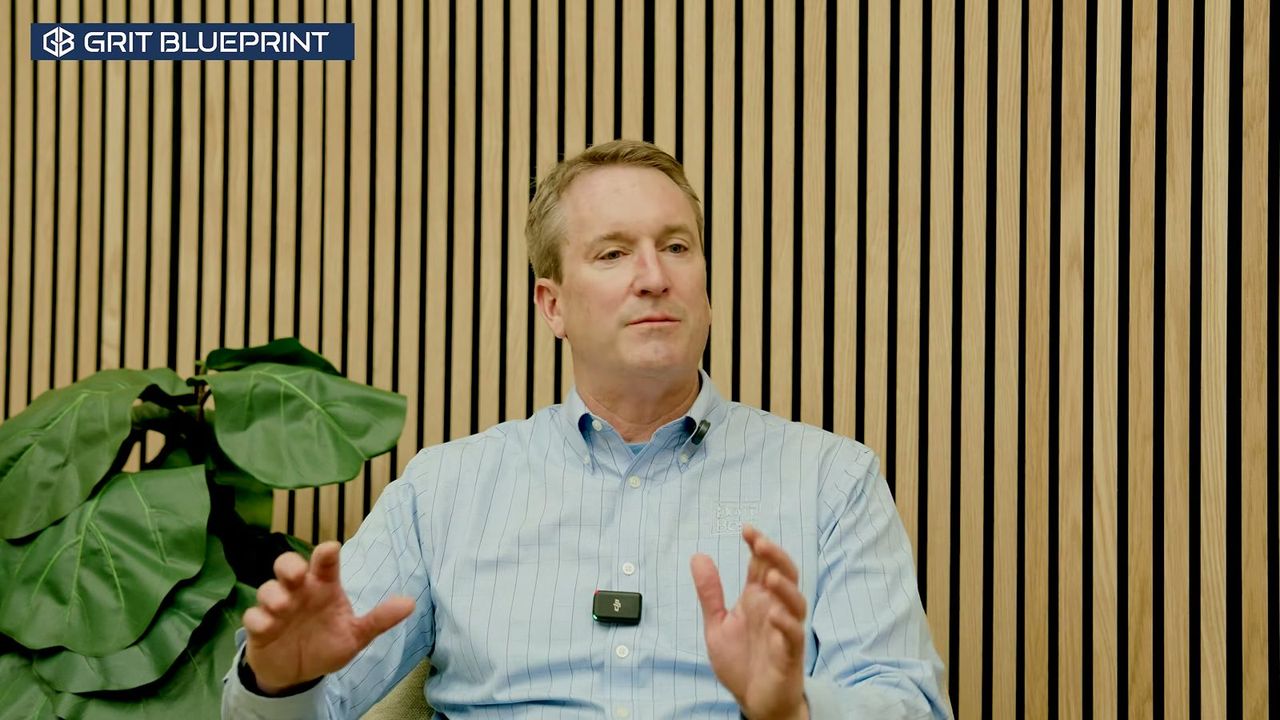
Randy’s Hardware keeps a marketing budget because of what its CEO, Christian Herrick, believes. In his view, a store that stops marketing dies slowly, even when nobody can prove what each dollar brought in. He set a budget, hired someone to run marketing and holds that person to the number. The four stores moved from radio and print to digital. They now film a behind-the-scenes YouTube series to reach younger customers.
Randy’s Hardware is a family business with four stores in and around Timberville, Virginia. Herrick started part-time in the business his father-in-law built. He worked his way up to chief executive (2:50, 5:20). The stores’ motto is a trademark: “we fix stuff” (6:21). Randy’s buys through Do it Best, a co-op. That is a company independent stores join so they can buy together and share services.
Why do so many owners cut marketing?
Because it is hard to measure. Herrick says the return on marketing is “just frustratingly difficult to measure and a lot of times you feel like you’re just throwing money into nothing” (12:17). Then he names the cost of stopping:
the problem is when you take it away you slowly and almost imperceptibly are dying. You know you’re not getting new customers to come in
Word of mouth still grows a store a little, he says. But in his view it does not bring in new customers or the next generation. He does not claim to have solved the measuring, either. On which dollars build the brand and which bring in a sale, he says “sometimes it’s still a shot in the dark for us” (14:26). He keeps spending on both: building the brand and bringing in new customers.
Who should run the marketing budget at a hardware store?
Someone whose job it is. When Herrick became an executive, he saw a chance “to actually have a budget and do marketing in general, and we analyze it pretty regularly” (8:57). His advice to other owners is short (16:07): set the budget, then “take it off my plate and hire somebody”.
He measures that person two ways. The first is the money: “give them a budget and make sure they stay on budget, which is our measurable”. The second is results, which he reads in the feedback the stores get and in new customers coming in.
Follow the customers you don’t have yet
Randy’s used to spend a lot on radio and print. “We just didn’t see the results anymore,” Herrick says (8:57), so the stores moved their money to digital.
Facebook worked well for them, but its audience skewed older. Herrick wanted “the Gen Zs and younger millennials” who were not shopping with them yet. He found they were watching YouTube and listening to Spotify (9:40). Randy’s already had a YouTube channel, full of how-to-fix-your-sink videos. The trouble, he says, was that people could find a thousand other videos just like them (10:17).
Radio still works for some stores. Wood Shed Lumber built a following on live local radio. Randy’s lesson is to go where your next customers already are.
A reality show from the store floor
The new idea came from Randy’s chief operating officer. He pointed to Orange County Choppers, the reality show set in a motorcycle shop: “why don’t we do like a reality TV kind of series and just like life behind the scenes in a hardware store, see how it goes?” (10:17).
An outside company does the filming, and “It takes very little time from us,” Herrick says. The series goes to each store and features the staff. That way, viewers see the different locations and get to know the people (15:29). It is drawing younger viewers, “even down to kids” (10:44), and customers bring it up at the counter. Asked how often, Herrick says: “Almost every day” (15:12).
How do you tell customers why something costs more?
Say it out loud, and put it on the shelf. When a big-box supercenter was approved for their small town, Randy’s phased out products that did not set it apart. It leaned into American-made goods, high-quality products and its services (23:37). In our 2025 interview Herrick said the stores’ sales dipped 3% for a few months, then grew (24:40).
Going American-made raised some prices. Herrick remembers galvanized fittings going up 30 to 40% when the stores switched to American-made (25:37). Some customers complained until staff explained, and the stores put little American flag stickers on everything.
that was a key differentiator is having a conversation with people and telling them why we did it
He tells a second story the same way (27:45). A customer brought in a drill from a big box store that had stopped working. The staff took it apart next to one of their own with the same model number. His had plastic parts inside where theirs had brass. That drill had sold for about 30% less while looking exactly the same from the outside. For how to say that kind of difference at the counter, read What to Say When Two Products Look the Same and Yours Costs More.

Tell customers what your store already does well
Herrick admits what a lot of independent owners feel: “We don’t do a great job as independent businesses, as promoting ourselves. We feel kind of awkward about that” (7:51). His stores support many local causes on a set budget and rarely say so.
That awkwardness is common in this industry. It costs stores. Capable people stay invisible because being seen feels like bragging. Real strengths stay hidden inside the business. Randy’s staff, its fittings and its reasons for stocking what it stocks were all there before the cameras came. The series and the flag stickers let customers see them. Give marketing an owner and a budget, then point both at what your store already does well.
What to do next
- Set a marketing budget for the year. Put one person in charge of spending it. Check the spending against the budget every month.
- List where your current customers hear from you. Then list where the customers you want are spending their time. Move money toward the gap.
- Film one ordinary day in a store: a delivery, a repair, a staff member helping someone. Post it.
- Pick one product line where you pay more for a reason. Put the reason on the shelf.
- Ask every new customer how they heard about you. Write the answers down.
For the camera side, read Seven Rules for a Hardware Store’s First Videos. If marketing is one person’s job at your company, read The Four Cs a One-Person Marketing Department Runs On.
This interview was recorded for an episode sponsored by Do it Best Group.
Questions people ask
How much should a hardware store spend on marketing?
This interview gives no percentage. Christian Herrick of Randy’s Hardware sets a yearly budget, hands it to one person to run, and judges that person on staying on budget and on the feedback and new customers the stores see.
Is radio and print advertising still worth it for a hardware store?
Randy’s Hardware stopped most of its radio and print because it stopped seeing results, and moved the money to digital. Other stores still do well on radio, so test where your next customers actually are.
How can a hardware store reach younger customers?
Randy’s found Gen Z and younger millennials on YouTube and Spotify, not on the radio or in the paper. It now films a reality-style series about life behind the scenes in its stores, made by an outside company.
How do you measure marketing that builds a brand?
Often you cannot do it exactly. Herrick says it is sometimes still a shot in the dark, so he measures the budget itself and watches feedback and new customers coming in.
How do you explain a higher price to customers?
Tell them why. When Randy’s switched to American-made fittings and prices went up, staff explained the change and put small American flag stickers on the products.

Watch the full interview
American-Made Products & Marketing Budgets, Randy’s Hardware with Christian Herrick. Times in parentheses mark where each quote sits in the audio episode.
Christian Herrick, CEO of Randy's Hardware in Virginia, explains the plan that kept sales steady when a Walmart opened in town, why the stores went American-made, and the behind-the-scenes YouTube series customers bring up almost every day.
A Grit Guide original. This piece is built from our own interview.
Sources
Sponsorship This interview was recorded for an episode sponsored by Do it Best Group.