A Box Store Landed on Top of Him. He Picked Five Things to Win.
Pat Sullivan stopped trying to beat the big chains on price at Sullivan Hardware and Garden. He chose five departments to lead in and lost one. He found a better one by accident and built his marketing on fun.

An independent hardware store can compete with a box store. Choose a few departments to be the best in town at, and refuse to fight on price alone. When a national chain opened next to Sullivan Hardware and Garden in Indiana, owner Pat Sullivan kept a good hardware store and picked five departments to lead in. One failed, one he found by accident, and he rebuilt his marketing around fun.
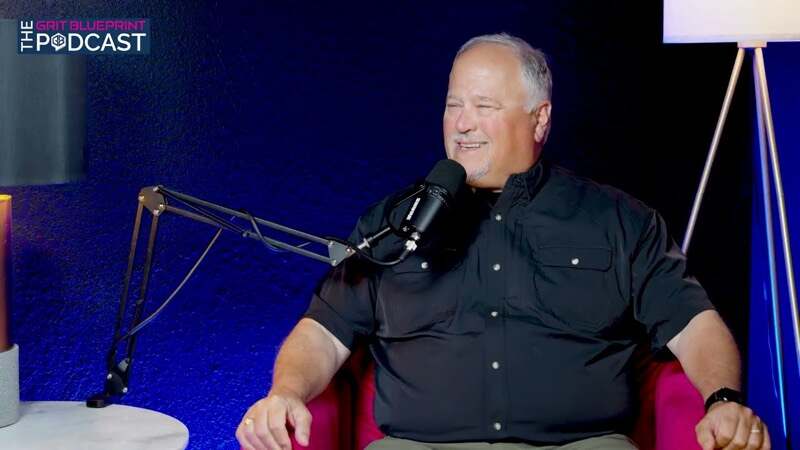
Pat Sullivan says he has spent his entire life on one corner. His father started the family hardware business in 1954. Sullivan bought it in 1989. Today Sullivan Hardware and Garden has four stores in Indiana.
Then the national chains came to town. One home improvement box store, he says, “landed right on top of us” (6:17 in our interview).
He still had loyal customers. Some of that loyalty he calls sympathy business. That meant people who came in and told him they had always bought their hardware from his father. He rang up every one of those sales. He also wanted more. “I wanted people excited to come in my store” (6:51).
How can a hardware store compete with a box store?
Pick a short list of things to be the best at. Sullivan and his team did some traveling. Then they made a decision. The store would be a good hardware store, and it would be a leader in five things:
- Lawn and garden, which was already strong
- Barbecue grills
- Mid-price patio furniture
- Fireplaces
- Artificial Christmas trees
He says retailers like him are always looking for things they can be the best at. These are places where the box stores cannot hurt them. His own summary comes at 20:11:
I’m a good hardware store, but I’m the best at five.
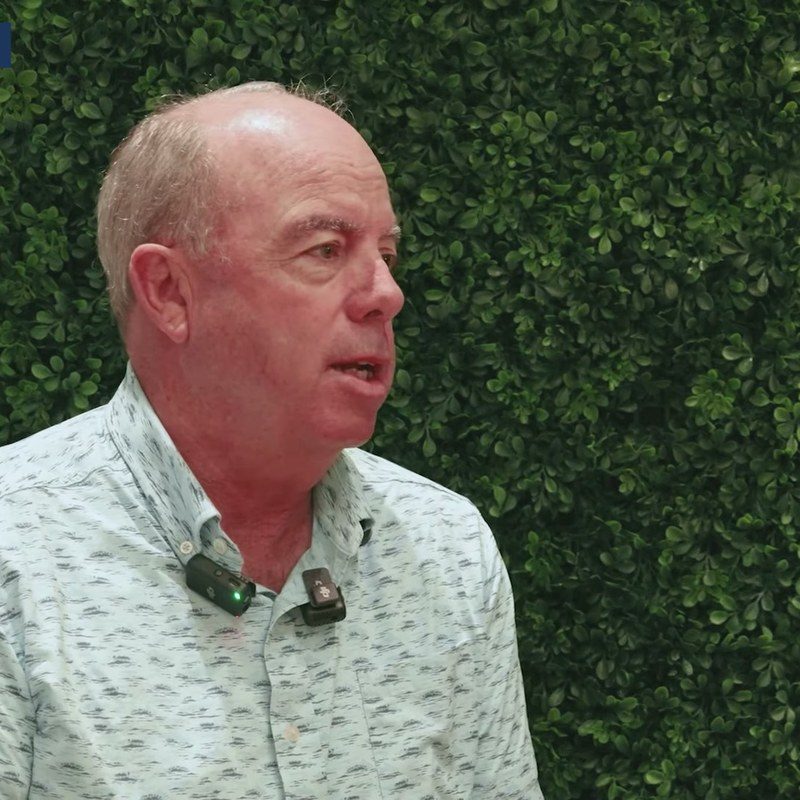 Pat SullivanOwner, Sullivan Hardware and GardenFrom our interview
Our read: the list is short on purpose. A store can be good at many things and the best in town at only a few.
One of the five failed
Fireplaces did not make it. The store built a display with eight working fireplaces. With all of them lit, the store was too hot, so they could never run them. And people do not replace gas logs very often. A customer buys once and is done.
Sullivan tells that story on himself. He does not treat it as a reason to stop trying. Some things do not work, he says, “and that’s why you just keep swinging at it” (10:41).
The best idea came from a visitor
In 2004 Sullivan opened a new store behind the old one on Keystone Avenue. An old farmhouse stood on the property. He needed more room for patio furniture. So he built a porch around three sides of the house and filled it with furniture. He also painted the farmhouse yellow.
Someone came in and asked what he planned to do with the inside. He did not know. She suggested a gift shop. Sullivan says the gift shop now does a couple million dollars a year. It sells things a box store does not carry, ladies’ dresses among them.
Our read: the department nobody planned ended up on the list. It got there because he was listening when a customer asked a question.
Can an independent store win on price?
Not as the only reason to shop. Sullivan is blunt about price. He tells other independents they are not going to win the price game. “If the customer’s only thing is price, they’re not going to shop at my store” (20:11). Price still matters, he adds. It is just not the only thing.
The marketing moved from the flyer to fun
For years the store’s main advertising was the circular. That is a printed sale flyer that goes out by mail or into shopping bags. Sullivan remembers when putting one out was huge. In his large metro area, he says, circulars stopped pulling the way they once did.
Around the same time, someone from Do it Best held up two hands to show him the internet. Do it Best is a member-owned co-op, a buying group owned by the stores it supplies. On one side were the giant online sellers and the chains, fighting each other. On the other side was fun: “puppy dogs, kitty cats” (12:59). Where, the man asked, does your business fit?
Sullivan kept a presence on the first side and built on the second. “We sell fun, we try to emotionally attach our customers to our business” (19:31). The store, in his words, had to become an entertainment venue.
His daughter-in-law, Arden, leads the digital work. She trained as a chiropractor and came to work at the store during the pandemic. When a long stretch of summer heat finally broke, the team posted a Wizard of Oz video. It celebrated the low humidity. Sullivan also hosts a four-hour radio show every Saturday.
He values one online comment most. Customers say that when they are having a bad day, they come to the store just to walk around. The night before this interview, at an industry conference in Orlando, he won a Digital Beacon Award.
What other stores are seeing
Kerry Hasselbach was director of marketing at Do it Best when we interviewed her. Her team helped member stores with their advertising. She saw the same pattern from another angle. “We do see a lot of traction on social media actually when a member is advertising a service that they offer” (7:14 in her interview). Those posts get more impressions and more clicks, she says, and that brings customers into the store. An impression is one time a post is shown on someone’s screen.
Our read: a service works like one of Sullivan’s five. It gives people a reason to come in that is hard to copy on price.
Her advice to stores matches his. She says “trying to emulate what competitors and other brands are doing isn’t gonna set you apart” (16:09).

Pick your five and keep checking them
The chains keep getting bigger and adding technology. On an earlier Grit Blueprint Podcast episode, Stefanie Couch called it “the Clash of the Titans” (13:17 in her interview with Russ Kathrein). She said the independent can still win on service and on custom work that is harder to do.
Sullivan’s five are that idea made specific. Two more things. Ask what your best customers would miss if you closed, and choose the five that way. Do not choose by what is easiest to stock. And keep checking each one against that promise. Sullivan took fireplaces off his list when they stopped earning their place. A department that is only good belongs on the other list.
What to do next
- Write two lists. One is what your store is good at. The other is what you intend to be the best at in your town. Keep the second list to five or fewer.
- Walk each “best at” department the way a customer would. If it does not look like the best in town, fix it or take it off the list.
- Check the list once a year. Drop the one that is not working, the way Sullivan dropped fireplaces.
- This week, post about one service you offer. Compare the response with your last product post.
- When a customer asks what you plan to do with a space, write the question down.
For the bigger picture, read Where Independent Dealers Can Still Grow and What a Co-op Does for an Independent Dealer. For another store that sells itself on personality, see How Wood Shed Lumber Uses Live Radio to Become a Household Name.
Both interviews were recorded for episodes sponsored by Do it Best Group. Kerry Hasselbach worked for Do it Best when she was interviewed. She now runs Alainn Consulting.
Questions people ask
How can an independent hardware store compete with a big box store?
Pick a short list of departments to be the best in town at and keep the rest of the store good. Pat Sullivan chose five, including lawn and garden, grills and artificial Christmas trees, and dropped one that did not work. Give customers reasons to visit that are hard to copy on price.
Should an independent store try to match box store prices?
Sullivan tells other independents they will not win a price war. Price still matters, he says, but customers who care only about price were never going to be his best customers.
What should a local hardware store post on social media?
Posts about services and posts that are fun. Kerry Hasselbach, then at Do it Best, said member posts about a service the store offers get more impressions and clicks, and Sullivan’s store builds on humor and local moments.
What if a department you chose to lead in does not work?
Drop it and keep trying others. Sullivan’s fireplace display failed because the store got too hot to run it and customers rarely replace gas logs. His gift shop, suggested by a visitor, later became one of the strongest parts of the business.
Do printed sale circulars still work for a hardware store?
In Sullivan’s large metro area they stopped pulling the way they once did, so the store shifted toward digital marketing and fun. Test it in your own market before you cut it.
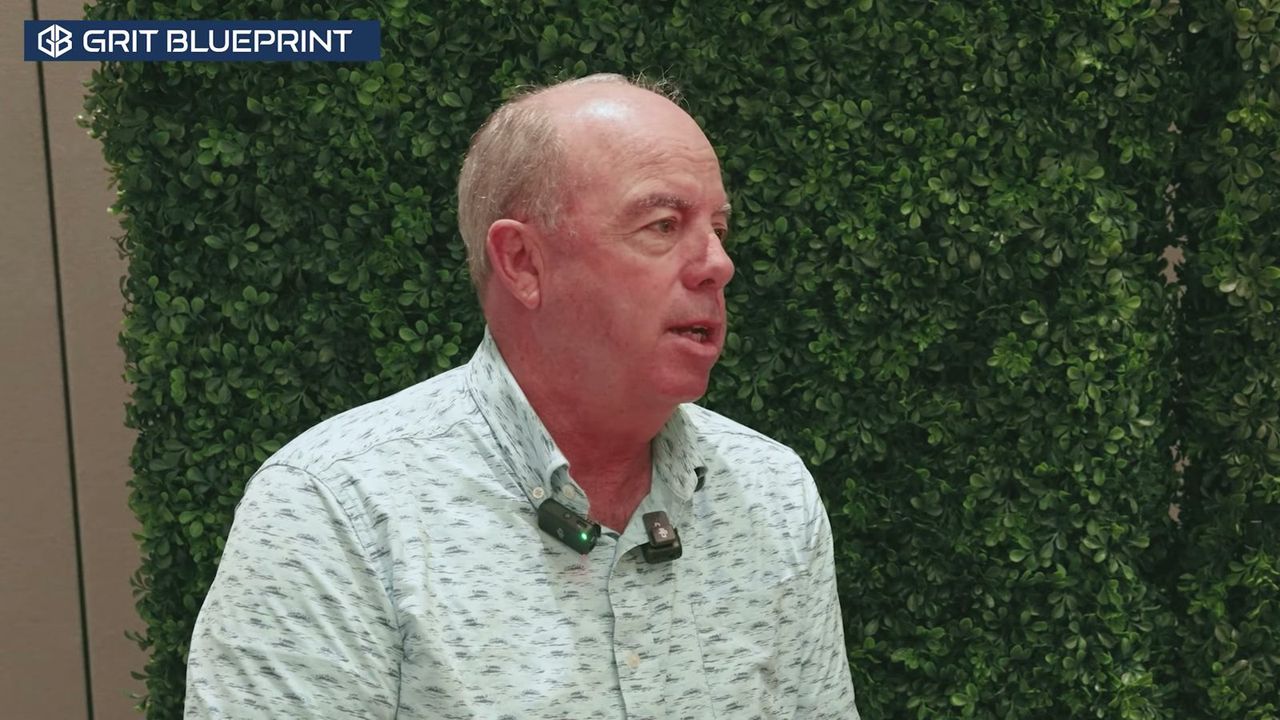
Watch the full interviews
Secrets to Standing Out: Digital Beacon Award Winner, Pat Sullivan. Kerry Hasselbach’s interview is here: How Authentic Marketing Drives Foot Traffic.
Pat Sullivan of Sullivan Hardware and Garden explains how a family hardware store stopped trying to win on price. He picked five things to lead in and added a gift shop. He turned his marketing into entertainment.
A Grit Guide original. This piece is built from our own interview.
Episodes in this piece
Sources
- Secrets to Standing Out: Digital Beacon Award Winner, Pat Sullivan (interview with Pat Sullivan, Sullivan Hardware and Garden; quotes at 6:17, 6:51, 10:41, 12:59, 19:31 and 20:11) (August 2025) Grit Guide, Grit Blueprint Podcast
- How Authentic Marketing Drives Foot Traffic: Kerry Hasselbach, Marketing Director at Do it Best (interview with Kerry Hasselbach, director of marketing, Do it Best; quotes at 7:14 and 16:09) Grit Guide, Grit Blueprint Podcast
- Simple Ways To Create Cashflow In Your Business with Russ Kathrein, VP of LBM at Do it Best (host Stefanie Couch's line at 13:17, quoted in the take) Grit Guide, Grit Blueprint Podcast