The Pro Veto: Why the Installer Gets the Last Word
A homeowner picks a brand. A builder signs a rebate deal. Then the installer puts in something else. Zonda’s Todd Tomalak explains why, and what to do about it.
For educational purposes only: general information, not legal, tax, financial or safety advice. Check your local codes and talk to a qualified professional before you act. Disclaimer

The pro veto is what happens when a homeowner or a builder picks one product and the professional contractor who installs it steers the job to another. Todd Tomalak is a principal in the building products group at Zonda, which researches the housing market. He says it explains why brands with top awareness still lose share. It is strongest when labor is tight, and it is one reason contractor brand loyalty is loose right now.
Todd Tomalak gets calls from companies that did everything right. He remembers major manufacturers with “number one brand awareness” and “everything right on paper” asking his team why they were losing market share anyway.
His answer was two words: pro veto.
A pro is a professional contractor: a builder, a remodeler or a trade contractor such as a window installer (see who buys what from whom). The pro veto is what happens when a homeowner or a builder wants one product and the pro steers the job to another. Tomalak says his team first saw it about ten years ago. He described it in two interviews with the Grit Blueprint Podcast. One was published in October 2025 and one in January 2026.
How does the pro veto happen?
The installer steers the job to a different product, often after the homeowner and the builder have both chosen. It can happen even on a new house where the choice looks locked. The homeowner wants a certain product. The builder wants one too, and may have a rebate deal with the manufacturer. A rebate is money a manufacturer pays back to a builder for using its products. Then, in Tomalak’s words, “the rubber meets the road” and “the installer wants to do something else.”
Builders allow it most when labor is tight. A builder who is short on crews cares about finishing on time, with no return trips to fix problems.
What they’re basically buying is a finished home with the products that they want installed without a headache.
 Todd TomalakPrincipal, Building Products, Zonda
A good pro who can deliver that gets room to choose what goes in. That is why Tomalak says the pro is “where the battle will be won.”
Why is contractor brand loyalty loose right now?
Because the past few years broke the habits it rested on. Brands used to be able to count on loyal pros, and Tomalak thinks that was shaken. Prices swung. Products ran short. Tariffs arrived. Installers were hard to find. His team counted the unusual events. In the January 2026 interview, he said they found more in the last five years than in the fifty before.
The effect on brands: they “used to have great brand loyalty, they had great relationships, they had the right program.” Now, he said, “it’s kind of all up for grabs.”
During the shortages that followed 2020, pros bought wherever they could find product. When supply came back, many returned to the suppliers they knew. But Tomalak heard a new habit in what they told his team. Every time they go to the lumberyard to buy, they said, “I still check online.”
What goes in when a pro says no?
Usually one other product. When a pro vetoes a product, something else goes in, and Tomalak’s point is that the list of real alternatives is short. A buyer who walks away from a favorite brand usually has “one other thing” in mind.
So a manufacturer needs to know two things. When the pro says no to us, what goes in? And why? Tomalak said that would be “a fun thing to measure.”
Bigger jobs, different pros
The veto moves when the job changes. In the October 2025 interview, Tomalak said his team’s analysis found that a home improvement paid for with a home equity line of credit, which is a loan against the value of the house, was four to seven times more likely to overlap with another project, such as a kitchen or a deck. A window job becomes windows plus a kitchen.
A bigger job is often run by a general contractor, or GC, who manages the whole project and hires the trades. That may be, he said, “an entirely different GC than just the guy who only does window jobs.” A different pro means a different set of favorite products.
His working hypothesis for 2026 was that market share would go to companies that “play really well with these big GC-dominated jobs that are just more complicated.” That was a forecast made before 2026 began. Check it against what you see in your own market.
The search starts online
Tomalak expects the next generation of pros to begin every job on a screen. “Every pro 10 years from now starts their initial job with online being the anchor, probably with AI being the anchor,” he said. A product can be skipped if it does not show up there. That can happen before anyone at a counter gets to speak for it.
He suggests a test. Describe a real job to an AI assistant and ask which window it would use. Then change the job and ask again. “It’s not gonna be the same,” he said. And if the tool has picked up something that makes your brand look like the villain, he added, “you need to know that because you’re not going to get the recommendation.”

Sell to the person holding the drill
The pro veto is a comfort problem as much as a product problem. Installers, distributors and dealers all have favorites they know how to put in, even when they can see a better product on the shelf. The proven one wins because it is known. So a list of features and benefits does little. Start with what the installer cares about: time on the job, no return trips, a product that goes in the way they expect.
Then take the friction away. Install the hard product with your own crew, or train contractors you trust on it, so the risk stops sitting with the pro. Dealers that sell installed already do this, which is why an analyst tells independent dealers to grow with installed sales. As Stefanie Couch said on a separate Grit Blueprint Podcast episode, The Real Reason Customers Buy Again, with Michael Tull of Tull Sales: “As labor gets harder to find, the pro contractor is going to have a lot more say over what they do in the field” (9:10).
What to do next
- Ask five installers what they put in when they do not use your product. Write down the product and the reason.
- Ask what slows a crew down. Find out what about your product costs time on the job. Also find out what about it brings a callback (a return trip to fix a problem). Fix that first.
- Learn who installs for your builders. The rebate sits with the builder. The choice may sit with the installer. A dealer can ask the same question about its builder accounts.
- Look at how you serve bigger remodels. Take a job run by a general contractor. Windows and doors are one line on a long list.
- Run the AI test with two real jobs. Note whether you are named, and what is named in your place.
Questions people ask
What is the pro veto?
Zonda’s name for what happens when a homeowner or builder wants one product and the professional contractor steers the job to another. Todd Tomalak says his team first saw it about ten years ago, when manufacturers with strong brand awareness asked why they were still losing share.
Why do installers switch products?
Tomalak says builders allow it most when labor is tight, because a builder short on crews mostly wants the job finished on time with no return trips. A pro who can deliver that gets room to choose, and many choose the product they already know.
Does a builder rebate decide which product gets installed?
Not always. A rebate is money a manufacturer pays back to a builder for using its products, but the installer may still put in something else. Find out who actually installs for each builder you sell to.
How can a manufacturer find out what replaces its product?
Ask installers what they put in when they do not use yours, and why. Tomalak says the list of real alternatives is short: a buyer who walks away from a favorite brand usually has one other product in mind.
How will AI change which products contractors choose?
Tomalak expects the next generation of pros to start every job online, probably with AI. His test: describe a real job to an AI assistant, ask which window it would use, then change the job and ask again, and note whether your brand is named.
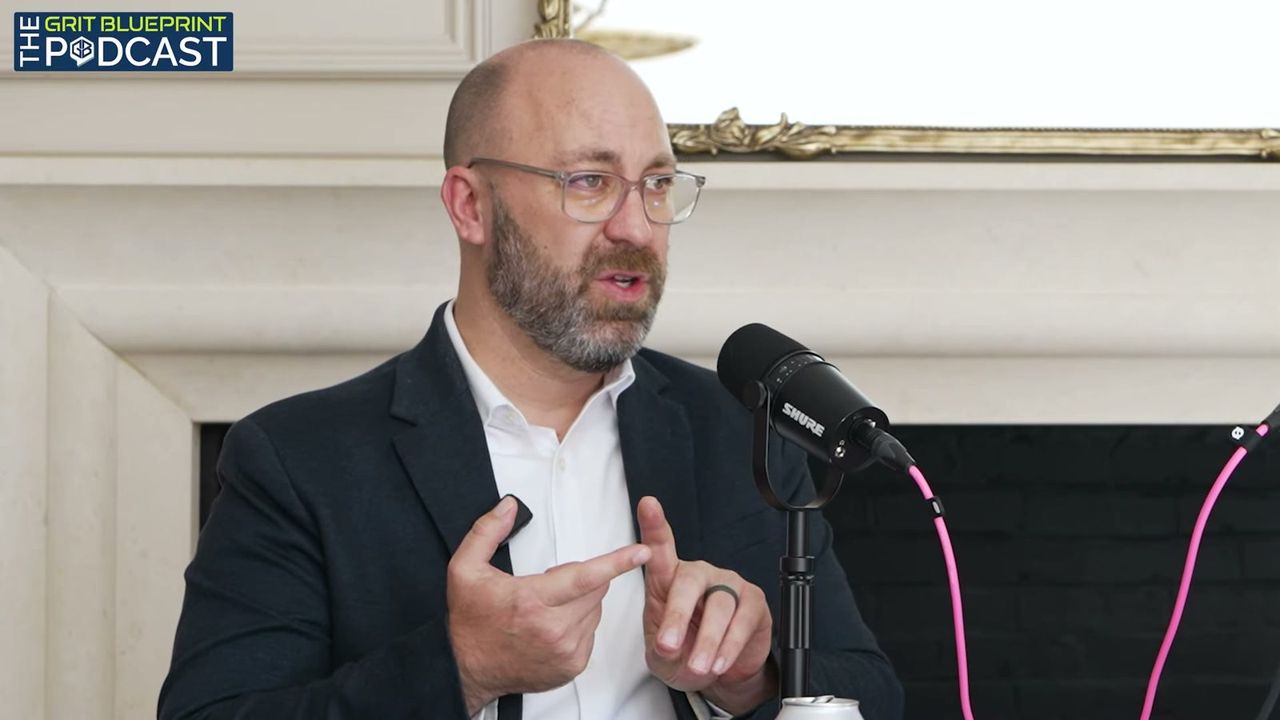
Watch the full interviews
Pick One Target And Play The Long Game with Todd Tomalak (January 2026) and Building Materials Clash of The Titans with Todd Tomalak (October 2025).
Todd Tomalak of Zonda lays out where window and door demand is headed in 2026, why brand loyalty is up for grabs, and how the contractor ends up deciding which product goes in the house.
A Grit Guide original. This piece is built from our own interview.
Episodes in this piece
Sources
- Pick One Target And Play The Long Game: Todd Tomalak at the WDMA Executive Management Conference (interview published January 6, 2026) Grit Blueprint Podcast on Grit Guide. Quoted at 6:35, 10:13, 10:52, 15:46, 18:13, 22:07, 22:37, 25:55, 29:33.
- Building Materials Clash of The Titans | Todd Tomalak on Paradigm Industry Insiders (interview published October 15, 2025) Grit Blueprint Podcast on Grit Guide. Quoted at 8:05, 8:36, 9:31, 17:18, 18:27, 37:44.
- The Real Reason Customers Buy Again (Grit Blueprint Podcast, Michael Tull; episode page transcript, lightly edited; Stefanie Couch quoted at 9:10) Grit Guide, Grit Blueprint Podcast
Recording note The October 2025 interview was recorded for the Paradigm Industry Insiders podcast.