What a Navy SEAL Had to Unlearn to Run a Company
Sam Mackey went from 20 years in the Navy SEAL teams to CEO of an outdoor brand sold in hardware stores. He had to unlearn “I want it done now.” What he does instead, and how he handles the loneliest job he has had.
For educational purposes only: general information, not legal, tax, financial or safety advice. Check your local codes and talk to a qualified professional before you act. Disclaimer

Sam Mackey spent 20 years in the Navy SEAL teams. He says the stress of running a business is worse. The habit he had to unlearn to handle it was urgency, the reflex of wanting everything done now. In its place he learned three things: to slow down and explain why, to ask people to mentor him by name, and to go after small wins instead of one big one.
Mackey is CEO of Outsider, an outdoor lifestyle brand that sells drinkware. Its customers include independent hardware and lumber dealers through Do it Best. He co-owns it with former NFL quarterback Jay Cutler. We talked with him on the show floor at Do it Best Spring Market in Denver. It was his second market as an exhibitor. Outsider gives a portion of its proceeds to the Navy SEAL Foundation for Gold Star families. Those are the families who lost a service member.
Why does the stress of running a business feel so lonely?
Because the weight sits on you, and the days run together. “Running a business is first of all probably the loneliest thing I’ve ever done and second of all the most stressful thing I’ve ever done,” Mackey says (0:07). The most stressful stretch of his SEAL career, he says, was sniper school as a new guy, and it does not compare.
The weeks bleed together, he says, until it is the third quarter and you wonder where the year went. His three daughters help him slow down. One of them told her teacher that her dad used to shoot bad guys and now sells cups. He says she was not wrong.
What did he have to unlearn?
Urgency on command. In the teams, problems got handled fast and hard, and that does not carry into a company. “I want it done and I want it done now,” is how he describes the old habit (7:15).
What replaced it: he had to learn to “take more time, be more methodical, explain the why a lot more” (7:50), and to be more diplomatic. “And in doing so, it’s actually made me a better person,” he says.
He puts the organization first and employees right behind it, he says, then admits the order does not really hold. “If you don’t take care of your employees, they won’t take care of you,” he says (6:06). His job, as he sees it, is to trust people, listen to them and make them feel they have “an extreme amount of ownership in our organization.” For one CEO’s weekly routine for explaining the why to every employee, see How to Make Sure Every Employee Knows the Goal.
Everyone is figuring it out
About a year before our interview, Mackey says, he realized that every milestone is new ground for whoever reaches it. The first thousand dollars is new. So is the first million, or the first 10 million a year. “Everyone is playing the game of figure it out no matter what level you’re at,” he says (9:24).
The owner down the road who looks like he has it all handled is working it out as he goes, too.
How do you ask someone to be your mentor?
Ask in plain words. Mackey met his first mentors on hunting trips a friend took him on. Now he looks for them on purpose. He gets to know someone, learns their background, and then asks: “hey, will you be my mentor?” (16:31).
He likes the direct question because it changes the deal on both sides. In his words it creates “a sense of ownership and responsibility for the mentor and for the mentee” (16:59). If a mentor gives you advice and you ignore it without at least a conversation, he says, you are blowing them off. “I like the ask.”
Don’t try to hit home runs, hit singles. Stack up those singles, just stack and keep grinding.
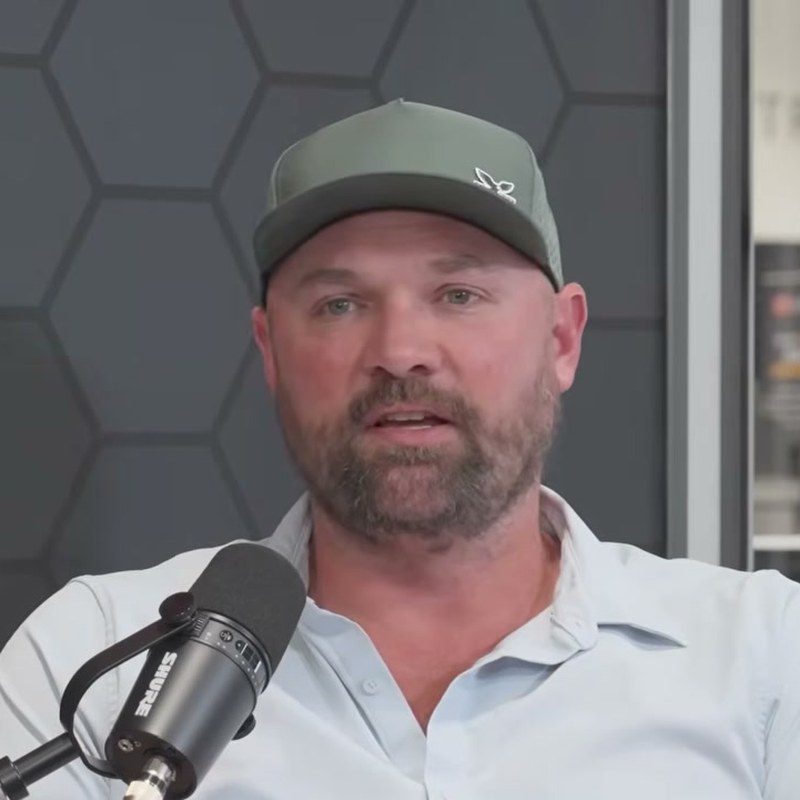 Sam MackeyCEO, Outsider (33:30)
Learn the trade by showing up
His first business was concrete. Over a beer, one of his mentors told him he should never work for someone else again. The mentor suggested concrete, electrical or HVAC. Mackey knew nothing about any of them. He picked concrete because at least it was outside.
Back in Virginia Beach he called the concrete company with the best reviews, and the owner turned him down. The next day he called the office again, got the address of the job and drove out. The ready-mix truck was arriving, so there was no time to talk. “Yeah, dude, just help those guys out,” the owner told him (14:23). Mackey worked with the crew until he could pour a little concrete himself.
Why hit singles instead of home runs?
Because you might never find the elephant. Mackey’s old mindset was to hunt big. “One elephant will feed us for the year,” he says (33:37). The problem: “what if you don’t find that elephant”. Now he goes after singles and stacks them.
He also warns against waiting for one deal or one partnership to change everything. “Nothing will move the needle besides you,” he says (34:08).
When the pressure builds, he goes outside. He calls quiet time in the woods “tree stand therapy” (19:51), and you do not have to hunt to get it. “Start small, go on a 15-minute walk,” he says (20:56).

Ask for help before you’re buried
Sooner or later the exciting part of a new company turns into hard work, and you still have to make the calls. The trap is carrying all of it yourself. Longer hours will not fix every problem.
“We’ll figure it out” is a good motto when it means asking questions, finding help, learning and taking responsibility. Mackey’s habits are exactly that. He explains the why so his team can carry the work. He asks for mentors by name. He lets small wins stack. Build support around your weaknesses, and keep the long-term dream separate from what the business needs to get done next. Our lesson on working on the business, not only in it is a good next read.
What to do next
- The next time you want something done right now, write one sentence on why it matters, and say it out loud when you ask.
- Pick one person whose work and character you admire and ask, in those words, whether they will be your mentor. Then act on their advice or explain why not.
- List five singles for this quarter, small wins you can finish, and check them off as they land.
- Find an owner who is one milestone ahead of you and ask how they handled the step you are facing.
- Take a 15-minute walk outside before your next big decision. Then read our lesson on owning the outcome.
This interview was recorded for an episode sponsored by Do it Best Group.
Questions people ask
Why is running a small business so stressful?
Sam Mackey, a former Navy SEAL and now CEO of Outsider, says running a business is the loneliest and most stressful thing he has done. The days blur together and the weight of the team sits on the owner.
How do you ask someone to be your mentor?
Mackey gets to know the person first, then asks directly whether they will be his mentor. He says the plain question gives both people a sense of responsibility, so act on their advice or explain why you did not.
What does hitting singles mean in business?
It means stacking small, reliable wins instead of betting everything on one big deal. Mackey gave up hunting elephants because you might never find one.
What do military leaders have to change when they run a company?
Mackey had to unlearn the urgency of wanting things done right now. He learned to take more time, be more methodical, explain the why and be more diplomatic.
Watch the full interview
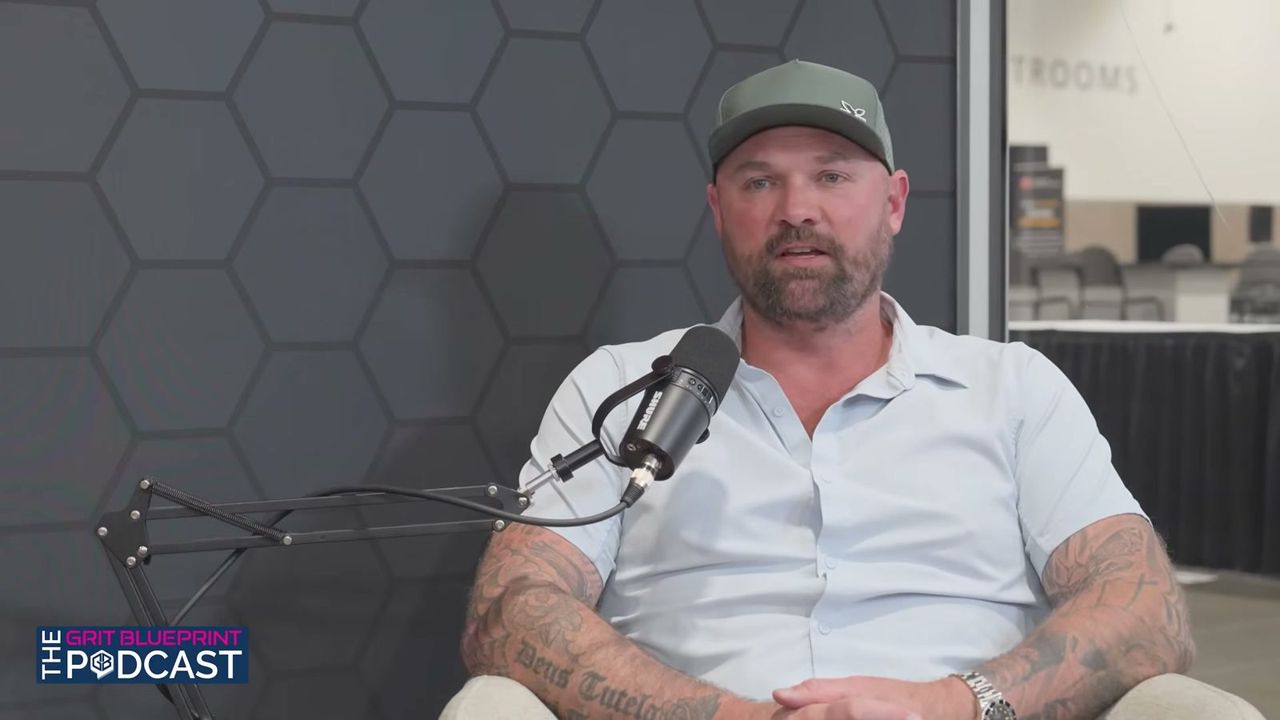
Sam Mackey, CEO of Outsider, spent 20 years in the Navy SEAL teams before starting a business. He talks about the stress of ownership, asking people to be your mentor, and going after singles instead of home runs.
A Grit Guide original. This piece is built from our own interview.