What a Supply Agreement Should Settle Before You Sign
Chip Gentry spent almost 30 years defending window and door companies before he became chief legal officer at Quaker. Here is what he says a supply agreement has to settle, and why the relationship comes first.
For educational purposes only: general information, not legal, tax, financial or safety advice. Check your local codes and talk to a qualified professional before you act. Disclaimer

Who owns the risk in a supply agreement is the question to settle before the price and the paperwork. Chip Gentry, chief legal officer at Quaker Windows & Doors, a 76-year-old family-owned window maker, frames it as three choices.
The seller carries the risk all the way to the buyer’s door. Or the buyer carries it. Or the two sides find a middle ground. His view is that the best agreements come from partners who know each other well enough to work that language out together.
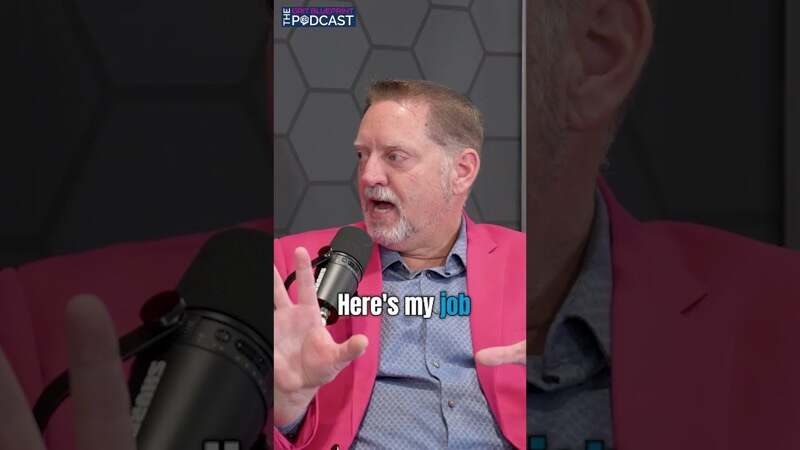
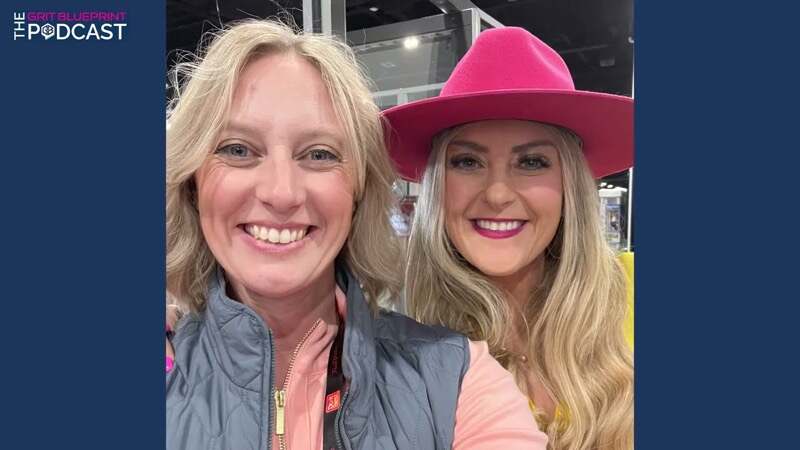
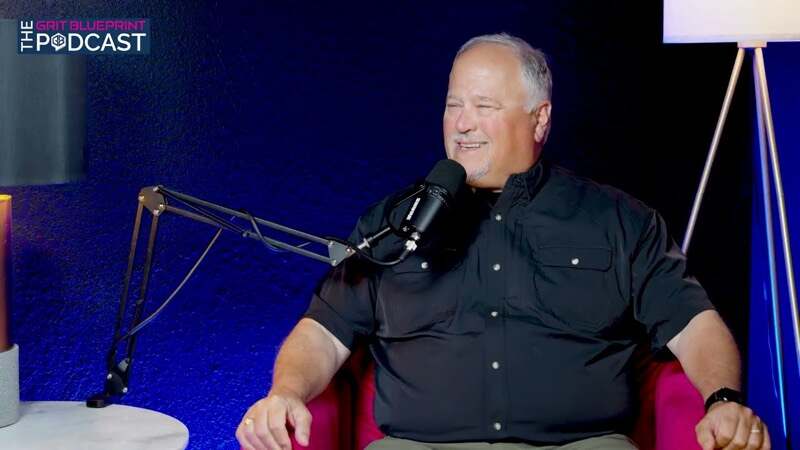
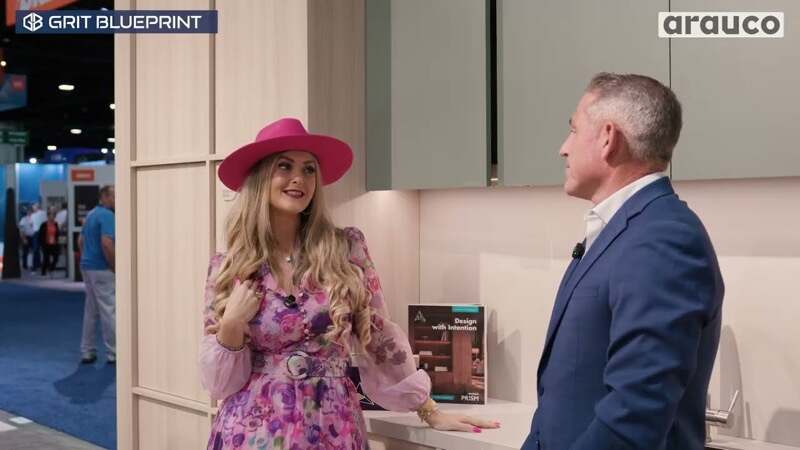
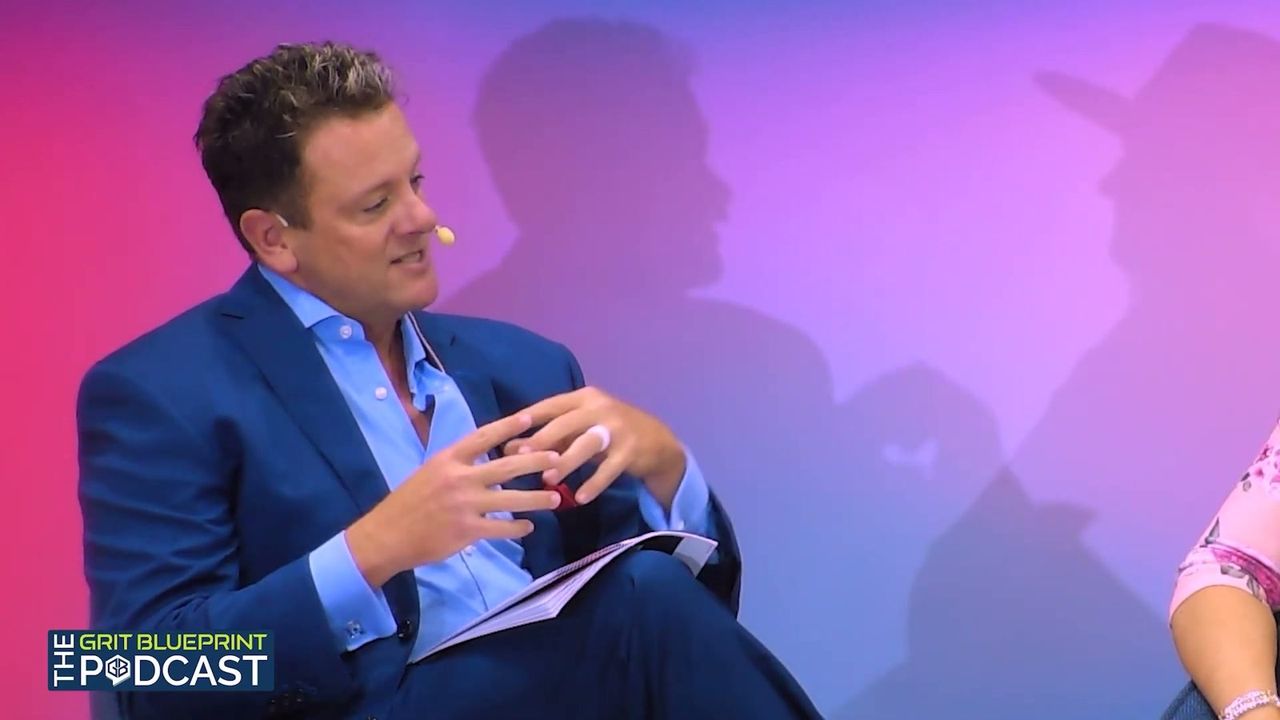
Gentry talked it through on the Grit Blueprint Podcast. It was recorded on the GlassBuild show floor after he spoke there about supply chains. What follows is how he described it. It is not legal advice: before you sign, renew or change a contract, talk to your own attorney.
Who is Chip Gentry?
Gentry has spent almost 30 years practicing law, and he says 27 of them went to defending window and door companies around the country (11:41). He calls himself a fenestration lawyer. Fenestration is the industry’s word for windows, doors and skylights: the openings in a building and the products that fill them.
He met Quaker as a young plaintiff’s personal injury lawyer, when the company asked his advice about a situation that had “kind of spread out across the country” (10:53). He jumped in and, as he puts it, “instantly became a window geek” (11:17). Today he works on the inside. Quaker’s general counsel reports to him (15:17).
What is a supply agreement?
It is the contract between a company that sells a product and a company that buys it again and again: a manufacturer and a distributor, or a distributor and a dealer. It sets what is sold and on what terms, and it says what happens when something goes wrong on the way. The part Gentry cares most about is the part people tend to skim: the risk.
What does “who owns the risk” mean in a supply agreement?
It means deciding which side pays when product is lost, damaged or held up before the buyer has it. Gentry put the question this way: “Who owns the risk? Is the seller of the product owning the risk all the way to your door, or vice versa, or is there some harmonized middle ground where it’s really a true partnership?” (3:53)
On a purchase order, part of that answer often sits in three letters. An FOB term says where the seller’s cost and risk for the goods end: at the shipping point or at the destination. Gentry’s point is wider than shipping terms. He wants the whole agreement written so both sides can see why it works for them, which “gets away from the legaleese and the big mumbo jumbo words” (3:53).
The opposite is what he calls “a one-sided draconian agreement” (3:53). Draconian means harsh: terms that put the risk on one side and leave the other side little room.
Why does the relationship come before the contract language?
Because the relationship is what lets you change the language. Gentry’s list of what still matters in a supply chain is short: “face-to-face meetings, relationships, accountability, and trust are so critical” (0:00). With those in place, he says, “if you have those relationships and you get a contract in, you’re able to renegotiate” and fine-tune the terms around supply chain risk (3:20).
That is why Quaker shows up at trade shows. On the GlassBuild floor, Gentry said the company comes to “re-engage with our friends” and make new ones, because “all things being equal, people want to do business with their friends. All things not being equal, people still want to do business with their friends” (2:36). The friendship comes first, and the contract gets easier after it. If that is your goal at the next show, see how to work a room at your next market or trade show.
What does “beyond compliance” mean for a manufacturer?
Compliance means following the laws and regulations that apply to the business. Gentry says that if his whole job were “to make sure we are regulatory compliant,” he would stop seeing the country “as an opportunity rather than just a risk pool” (18:06). He would see only what could go wrong.
His order of work instead: “A, identify the risk, B, figure out creative ways to mitigate the risk” (18:06). To mitigate a risk is to make it smaller. He does not try to wipe out every risk, because a lot of times, he says, “that’s not even possible” (18:39). The bigger risks get taken “in a calculated fashion,” and that comes back to people: “We have to have good quality people making good quality products” (18:39).
Testing is part of the same thinking. Gentry says Quaker’s innovation lab runs its own structural, thermal and impact testing, and that the company is “testing it beyond the standards” (27:16). When it goes to market, “we can basically say there’s a standard and we meet it,” and then share its internal results on top of that (27:45).
Why did a trial lawyer hire an expert to learn windows?
Because his clients were tired of lawyers who did not know the product. When Gentry interviewed window and door companies, he heard the same “number one frustration” (12:11): when they got into trouble, the lawyer on the case “was just a widget defender. They didn’t understand the industry” (12:39).
So he “hired an expert to help me understand the industry” (11:41). The expert gave him a snapshot of who made windows and what they were made of. It also showed where the companies were and what cases had come before (12:11). If he was going to do the work, he decided, he would learn the products and “really how it works” (12:39).
For a dealer or a distributor, his story turns into a question. Ask it before you hire help with a contract or a dispute. Does this person know how our products are made, sold and shipped?
Why a lawyer wants to be in the room early
For years, Gentry says, he came to GlassBuild as the lawyer called in after “the project’s already gone sideways” (28:32), looking for a way out at the end of the game. At Quaker he uses that experience earlier, to be proactive. A supply agreement is one of the first places to do it, before anything has shipped.

Write the deal so the second order still works
Stefanie Couch hosted the episode. She answered Gentry with the second order in mind: “that feels good when you get them to say yes the first time. But if you don’t make an agreement that’s symbiotically beneficial, that second time it’s not near as fun” (4:13). Symbiotic means both sides get something they need.
Work with people who want to work with you, and write down what each side agreed to. When a dispute comes up, weigh the problem in front of you against the relationship you will still need next year.
Winning the argument on a one-sided clause can cost more than it saves. Gentry’s habits make the rule practical: meet face to face, say plainly who carries which risk, and hire advisers who know how windows and doors move from the plant to the jobsite.
What to do next
- Pull your largest supplier or customer agreement. Mark every clause about loss, damage, delay and returns. Next to each one, write in plain words who pays.
- Check the shipping terms on your purchase orders. Is it FOB origin or FOB destination, and do both sides read it the same way?
- Before the next renewal, ask for a face-to-face meeting with the other side. Talk about the purpose of the partnership before the language.
- Ask any attorney you hire what building products work they have done. Ask them to explain each risk clause to you in plain words.
- Talk to your own attorney before you sign, renew or change any contract.
More on how Quaker runs, including its open-book management: how to make sure every employee knows the goal.
Questions people ask
What is a supply agreement?
It is the contract between a company that sells a product and a company that buys it regularly, such as a manufacturer and a distributor. It sets what is sold, on what terms, and who carries the risk when something goes wrong. Talk to your own attorney before you sign one.
What does “who owns the risk” mean in a supply agreement?
It is the question of which side pays when product is lost, damaged or held up before the buyer has it. Chip Gentry of Quaker Windows & Doors describes three answers: the seller carries it to the buyer’s door, the buyer carries it, or the two agree on a middle ground.
What does FOB mean on a purchase order?
FOB is a shipping term that says where the seller’s cost and risk for the goods end: at the shipping point or at the destination. Who pays the freight bill can be agreed separately. Check the term on each order instead of assuming.
What does “beyond compliance” mean?
Compliance is following the laws and regulations that apply. Gentry uses beyond compliance to mean also finding the risks in the business, looking for creative ways to make them smaller, and taking the bigger ones in a calculated way.
Should a building products company use a lawyer who knows the industry?
Gentry says the window companies he interviewed named lawyers who did not understand the industry as their number one frustration. He hired an expert to learn how windows were made and sold before he took on that work. Ask any attorney you are considering what building products work they have done.
Watch the full interviews
Build Loyalty Like a 76-Year Family Business, with Chip Gentry of Quaker Windows & Doors. Time stamps are from the podcast audio.
Chip Gentry, Chief Legal Officer at Quaker Windows, explains how a 76-year-old family-owned window company keeps people for decades and writes supply agreements as partnerships. He also tells how a trial lawyer turned into a window geek.
A Grit Guide original. This piece is built from our own interview.
Sources
- Build Loyalty Like a 76-Year Family Business (Grit Blueprint Podcast, Chip Gentry, Quaker Windows & Doors) Grit Guide
- Quaker Windows & Doors Grit Guide Companies