Before You Buy a New Tool, Ask Every Store Manager What Hurts
Jay Donnelly came home from a week of conference sessions with one plan for his five paint stores. His plan was to ask his managers where the operation hurts before he adds anything new.

Before he adds a new tool to his paint stores, Jay Donnelly makes a list of what hurts. Donnelly runs Flanagan’s Paint and Supply, five stores around St. Louis.
His plan came after a week of conference sessions on branding and AI. It was to sit down with his general manager, then with each store manager. He planned to write down the operational pain points in the business. A tool goes in only if it is the right fix. If it is not, the problem stays on the list and gets another look in six months.
A pain point is a problem that keeps costing time, money or patience. Donnelly described the plan on the Grit Blueprint Podcast, recorded at a hardware and paint industry conference in Orlando. Here is how it works, and the pain he already sees on his own shelves.
Who is Jay Donnelly?
Donnelly’s father bought Flanagan’s in 2005, when it was one store. Jay joined in 2010. They have grown it to five stores across the St. Louis metro, one of them on the Illinois side. The business has 20 to 25 employees (1:51). The stores sell paint and paint supplies to homeowners and contractors.
His rule for the business is relationships first: “making friends is our business and you know we just happen to sell paint” (2:56).
Why start with a list instead of a tool?
Because a conference hands you more ideas than a store can use. After a week of sessions, Donnelly said what he had heard was “almost overwhelming,” and that he needed to “take three points from this whole week” (21:31).
Trying all of it at once has a cost. “If we just keep throwing darts at all this stuff, that’s going to burn people out,” he said (23:11). The list gives him “a starting point” instead (23:11).
How do you find the operational pain points in a store?
Ask the people who run the floor, in order. Donnelly’s plan has three steps.
- Start with the general manager. Donnelly’s first meeting is with his, to “lay out where are all his pain points in our operation” (23:11).
- Then go to each store manager with the same question, and put every answer on one list (23:11).
- Then match each item to a fix. “They have to be the right solution,” he says, and “if it’s not a hundred percent, then we’re not going to. We’ll just leave it on the list. Six months we look at it again” (23:38).
The fix might be AI, another tool or no tool at all. The list comes first, and the solution has to fit it.
What does a pain point look like on a paint store shelf?
For Donnelly, the clearest one is inventory, the stock on the shelves. He calls it the big challenge in retail “for a new person entering”: “it’s inventory costs” (15:03).
A mentor once asked him where he stood on inventory. His answer: “it’s a lot of money and it’s sitting on a shelf” (15:32). It makes money when it sells. Until then it just sits.
So he gave his staff a picture they would remember. He asks them what the most expensive doorstop they ever bought cost. About $3, one guessed. Then he points at a five-gallon bucket of paint that has sat on the shelf for three months: “that’s about a $150 doorstop you’re using” (15:32). They had never thought of it that way. “I look at my stores and I look at inventory. I just see 100 bills,” he says (16:09).
One way to see how fast stock moves is inventory turns. That is how many times the inventory is sold and replaced in a period. Donnelly’s doorstop is the same idea in a picture. He would like help from the other side of the counter too. He hopes vendors start to see these struggles and “help facilitate how to stock stores better” (16:09). For how cost and margin work at a dealer, see how pricing and margin work at a dealer.
What other pain points does a five-store dealer see?
Delivery is growing fast. “A huge part of our business now is delivery,” Donnelly says, and he expects it to increase (9:55).
The experience inside the store is another. He says he has not focused on it enough the last couple of years. He wants it to work for his staff as much as for customers (10:37).
Training is a third, and here a ready-made fix matched the problem. Donnelly described a program from NHPA, a hardware and paint industry association he is active in. The program turns NHPA’s training into three-minute videos. A store can send them to the right people, such as forklift training for everyone who drives one (17:46).

Pick one to three problems and start with one
Stefanie Couch hosted the episode and led two of those conference sessions. She tells audiences the same thing from the stage: “just pick one thing” (21:53). Donnelly’s list is how you find out which one.
Find the biggest thing holding the work back. Keep one to three priorities and one clear first move. When two fixes look equally useful, start with the quicker win. Ask the people who do the work before you change it. Try a change on a small scale before it goes to every store.
A list built with the general manager and each store manager does both. It names each problem in the words of the people who live with it. It also keeps the tool question waiting until the problem is clear.
What to do next
- Sit down with your general manager or strongest store manager. Ask one question: where does the operation hurt?
- Ask every store or department manager the same question. Write each answer down in their words, on one list.
- Walk the shelves and find your doorstops: product that has not moved in three months. Add up what it cost you.
- Next to each pain point, write the fix you would try. If you do not have the right one yet, date the item six months out and move on.
- When the fix is a new system, test it first: see how to test store technology before you sign a contract.
To spread the work of choosing tools, see why to start an AI committee even if you run one store.
Questions people ask
What is a pain point in a business?
A problem that keeps costing time, money or patience. Jay Donnelly of Flanagan’s Paint and Supply collects them from his general manager and each store manager before he picks any new tool.
How should a store decide which new technology to adopt?
Donnelly starts with a list of what hurts in the operation, then checks whether a tool is the right solution for each item. If it is not, the item stays on the list and he looks at it again in six months.
Why is slow-moving inventory a problem?
Stock costs money from the day it arrives and only earns money when it sells. Donnelly tells his staff that a five-gallon bucket of paint that sits for three months is a $150 doorstop.
What are inventory turns?
How many times inventory is sold and replaced in a period. The fewer the turns, the longer your money sits on the shelf.
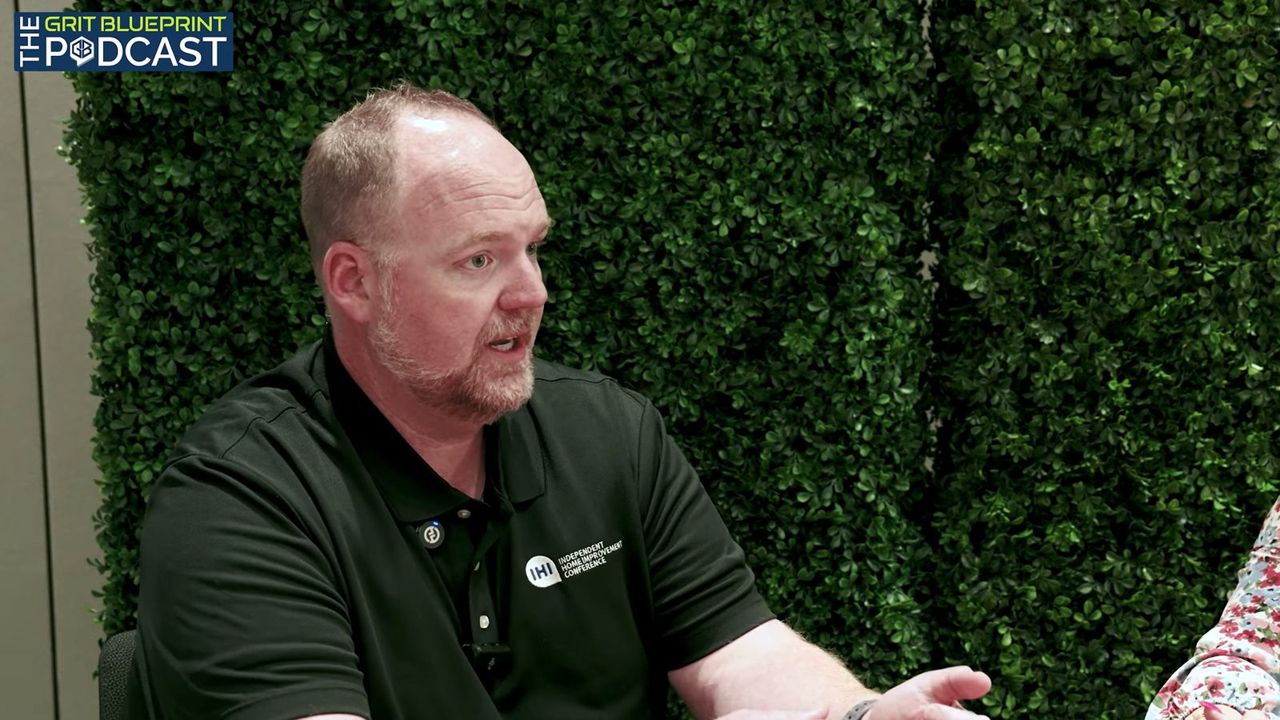
Watch the full interview
Riding the Wave of Change: Flanagan’s Paint and Supply, with Jay Donnelly.
Jay Donnelly of Flanagan's Paint and Supply, five paint stores around St. Louis, explains why relationships come first, why buying an existing business beats starting from scratch, and why a bucket of paint that sits is a $150 doorstop.
A Grit Guide original. This piece is built from our own interview.
Sources
- Riding the Wave of Change: Flanagan’s Paint and Supply (Grit Blueprint Podcast, Jay Donnelly) Grit Guide
- Flanagan’s Paint and Supply Grit Guide Companies