What Gets Young Women to Try a Trade
Hacia Atherton found that most women did not know what an apprenticeship was. Devonie Hutchinson hears from worried mothers and grandmothers. Here is what each one does about it.

Most young women who skip the trades were never shown the way in. They do not know how you become an electrician or what an apprenticeship is. They also do not know that plumbing is more than fixing toilets. Hacia Atherton is the founder of Empowered Women in Trades in Australia. To get more women into the trades, she says, show them the path in a group, on real sites. After that, she says, make sure an employer says yes. Devonie Hutchinson runs a construction company in Texas. She adds the step most programs skip: talking to the family.
An apprenticeship is paid on-the-job training under a licensed tradesperson. It usually lasts several years and leads to a license in the trade. Neither woman expects a young person to know that on their own.
Why don’t more young women consider the trades?
Because nobody told them how it works. Atherton comes from a fifth-generation plumbing family in Melbourne, and even she was steered toward university. She worked through law, fashion design, financial planning and accounting. Then she came back to the family manufacturing company.
After a serious riding accident in 2017, she spent six months in hospital. In that time she interviewed women about how they got into the trades, why they stayed and why they left. She started with the nurses at her bedside. What she found was mostly a gap in awareness. Women “didn’t understand how you actually became an electrician, what an apprenticeship was” (18:44), she says. Outside plumbing, carpentry and electrical work, most had never heard of trades like fitting and turning (machining parts) or welding. And plumbing to them meant one thing: “They just thought dirty toilets” (19:19).
She calls it a branding problem. If young women are not asking the questions, nobody is answering them.
The first day on the shop floor
Atherton knows the confidence part firsthand. Her father sent her onto the family company’s factory floor. At the time, she was an international dressage rider and a confident woman. In steel-toe boots, she struggled with welding and the CNC machines (computer-controlled cutting machines). She started blaming her gender.
The tradesmen around her would not let her. She remembers them telling her that “the CNC machine doesn’t know if you’re a girl or a guy” (3:48). Outside the company, she heard worse from men at other sites. That contrast is part of why she started her organization.
How to get more women into the trades: go in a group
Empowered Women in Trades runs programs in schools and outside them. The point is a safe room where young women can ask what Atherton calls the silly questions. Those are the ones that might get a “how do you not know that?” somewhere else.
Then they go to construction and manufacturing sites together, as a group of women. On a big site with a thousand workers and maybe four women, a cohort changes how it feels. Atherton says the men on site have reacted with surprise: “we have never seen this many women on the site” (20:27). The women, in her telling, walk away with confidence because they went in together.
The group also runs marketing campaigns and interviews working tradeswomen. That way the next girl can see someone who looks like her doing the job.
What happens when they apply?
Too often, nothing. Atherton says women in Australia have sent more than 40 resumes and called more than 40 employers advertising for apprentices. All of them turned the women down, she says. That is her account of what she hears. She says she has started hearing the same from women in the United States.
So her organization started a corporate membership, the Alliance, for employers that are proud to hire women. Members do not have to have everything right. They have to be willing to work on their culture, policies and procedures with the women they hire.
Don’t forget the family
Devonie Hutchinson and her husband started DGB Developments in Wichita Falls, Texas, as a weekend junk-hauling side hustle in 2012. It now does junk removal, roofing, remodeling and general contracting. Their daughter, a high school senior when we talked, runs her own ice cream business and is training as a welder.
Hutchinson’s advice to a young person, especially a young woman, is to go for it. That holds even without high school shop classes. Find a company in your hometown in the trade you want. “If you have the will and the want, they will most likely hire you,” she says (11:44). Then get an apprentice license, depending on your state, and work under a licensed tradesperson for a few years.
She hires young people herself and works with partners in other trades to get them apprentice licenses. The pushback she hears is often from home. “Sometimes it is the mother or the grandmother who is worried because the apprentice is not making a lot of money right now,” she says (18:10). Her answer to them is to give it four years. She puts a journeyman, the next license after apprentice, at about $35 an hour where she works. She says there is room to earn more.
With her own daughter, the family made it hands-on early. “We made sure she can do things with her hands,” she says (14:40). The daughter pulls her own business trailer and can run the company’s dump trailers. With welding, her parents wanted her to learn to bid jobs as well as do them.

Put your crews on camera and in classrooms
Both stories point to the same fix: show young people the work and the people who do it. Stefanie Couch has said it about the whole industry: “The construction and building industry needs a rebrand and we need to step into the forefront and show how amazing we are, especially for top talent” (7:15).
A company can start on three things this year. Show young people what the jobs are and how to get in. Use your own crews on camera and in classrooms. Say yes to the first apprentice who applies and is willing to learn. And have a training plan ready. A hungry new hire who gets no training in the first 90 days is likely to leave. And the hire is likely to get blamed for it.
Talk to the family too. A grandmother who hears what a journeyman makes in four years is a much easier conversation than one who only sees the first paycheck.
What to do next
- Call one high school or trade program near you. Offer a site visit for a group of students, with time for questions.
- Film one of your tradespeople, ideally a woman if you have one, explaining a day on the job and how she got in. Share it where students and parents will see it.
- Write down, in plain words, how someone gets an apprenticeship at your company. Put it on your website.
- Answer every apprentice application, even with a no. Keep the names for the next opening.
- When you hire an apprentice, invite the family to see the shop or site. Tell them what the path looks like over four years.
For how one family-owned dealer plans the next generation’s path inside the business, read why a family business handoff takes five years. Associations can help with school programs; see what a trade association does for your business.
Questions people ask
Why are there so few women in the skilled trades?
Hacia Atherton’s research with women in Australia points first to awareness: many did not know the trades were an option or how to enter one. She also hears that women who do apply for apprenticeships are often turned down, which is why her organization works with employers.
How does someone get into a trade without experience?
Devonie Hutchinson’s advice is to find a company in your hometown in the trade you want and ask. If you have the will and the want, she says, they will most likely hire you, and you can get an apprentice license and work under a licensed tradesperson.
How long is a trade apprenticeship?
It depends on the trade and the state or country. Hutchinson tells worried families to give an apprentice about four years before judging the pay.
What can a contractor do to attract young women?
Show the work and the people doing it, host school groups on site together, answer applications, and have a real training plan ready for the first months.
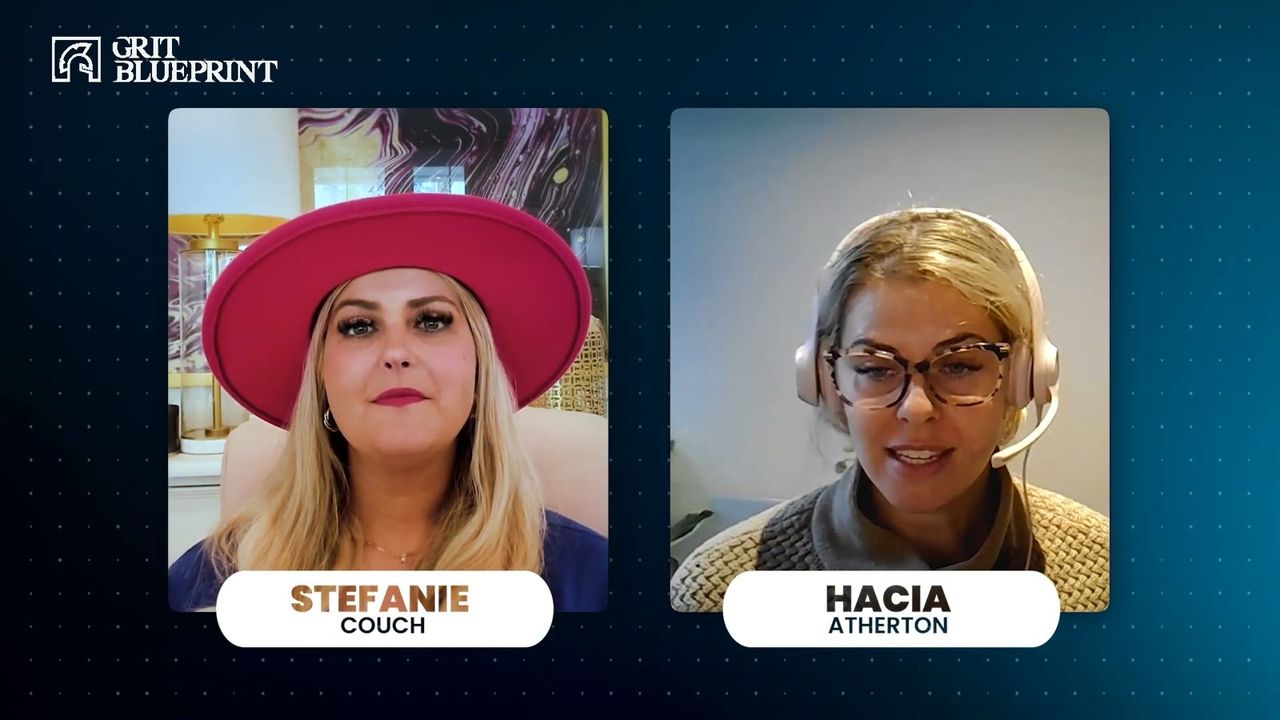
Watch the full interviews
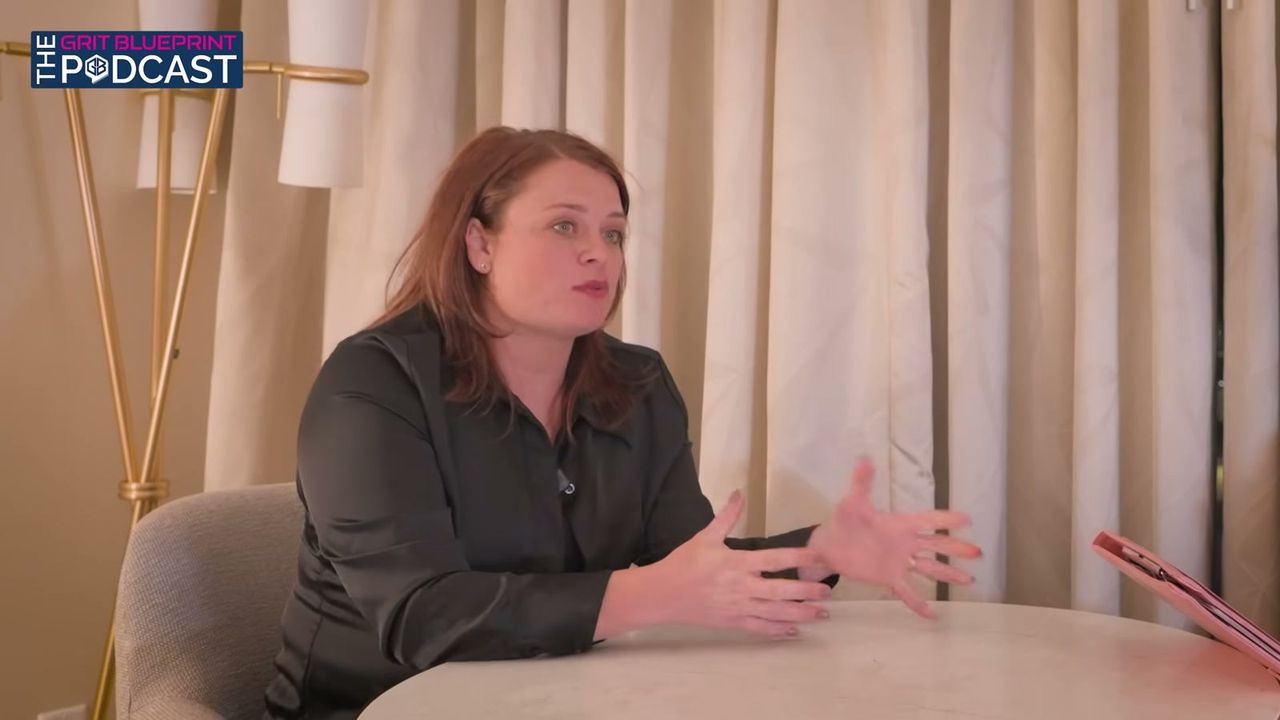
Hacia Atherton of Empowered Women in Trades and Devonie Hutchinson of DGB Developments.
Hacia Atherton is CEO and founder of Empowered Women in Trades. She explains why women in Australia struggle to get into the trades and stay there. She also explains how a well-being framework called PERMA carried her through recovery from a riding accident.
A Grit Guide original. This piece is built from our own interview.
Episodes in this piece
Sources
- Visionary Leadership In Skilled Trades: Hacia Atherton, CEO & Founder of Empowered Women in Trades (Grit Blueprint Podcast interview with Hacia Atherton, founder and CEO, Empowered Women in Trades; quotes at 3:48, 18:44, 19:19 and 20:27 on the transcript clock) (October 2024) Grit Guide
- Why Betting On Yourself Creates Lasting Financial Freedom with Devonie Hutchinson (Grit Blueprint Podcast interview with Devonie Hutchinson, founder, DGB Developments; quotes at 11:44, 14:40 and 18:10 on the transcript clock) Grit Guide
- How To Rise In Construction with Stefanie Couch (The Builder Upper Show guest episode; quote at 7:15 on the transcript clock) (March 2025) Grit Guide